
Electrical faults rarely appear without warning. In most cases, overheating connections, overloaded circuits, and failing electrical components develop gradually before leading to expensive repairs, equipment failure, or even electrical fires. The challenge is that these problems often remain hidden until it’s too late.
That’s where thermal imaging services make a significant difference.
Using advanced infrared camera technology, licensed electricians can identify hidden heat anomalies inside electrical systems without dismantling equipment. Across New Zealand, businesses, industrial facilities, schools, farms, and commercial buildings are increasingly using thermal imaging inspections as part of their preventative maintenance strategy.
Whether you manage a warehouse in Auckland, an office in Wellington, a manufacturing plant in Christchurch, or a commercial property in Hawke’s Bay, thermal imaging helps improve safety, reduce downtime, and protect valuable assets.
What Is Thermal Image?
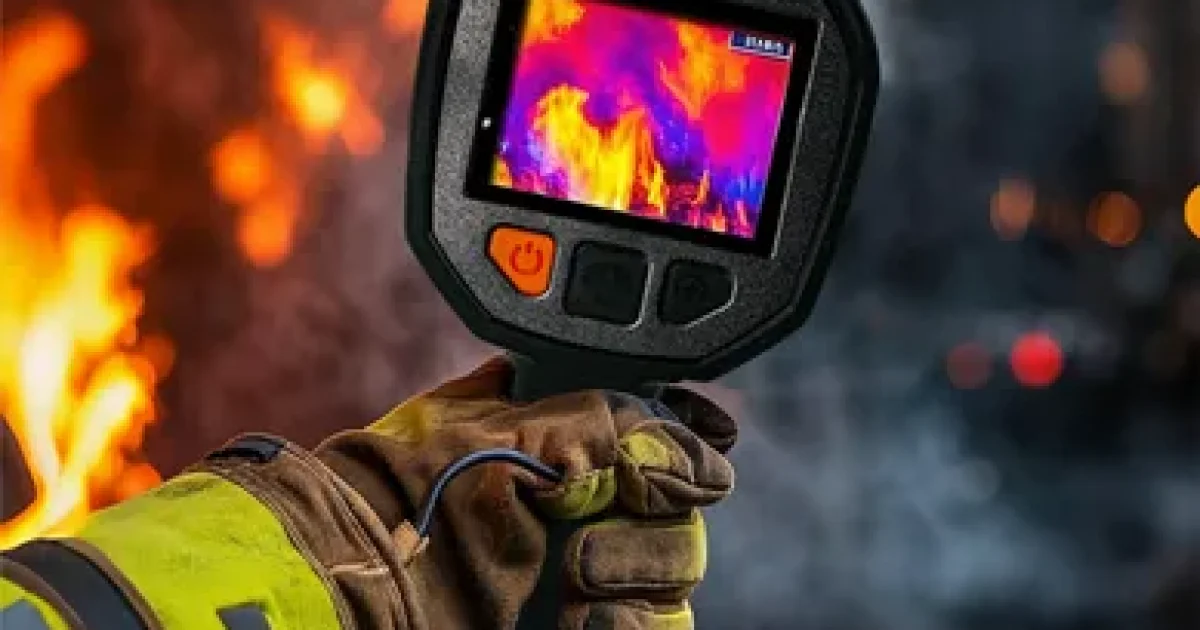
Thermal imaging is a non-invasive electrical inspection method that uses infrared cameras to detect temperature differences in electrical equipment.
Electrical faults typically generate excess heat long before visible signs appear. An infrared camera captures these temperature variations, allowing electricians to identify problems safely while equipment remains operational.
Instead of waiting for equipment to fail, thermal imaging allows property owners to detect issues early and schedule repairs before they become costly emergencies.
Why Thermal Is Essential for New Zealand Businesses
New Zealand businesses depend on reliable electrical systems every day. Unexpected electrical failures can interrupt operations, damage expensive equipment, and create serious workplace safety risks.
Thermal imaging inspections help businesses:
Prevent unexpected electrical breakdowns
Reduce maintenance costs
Improve workplace safety
Minimise operational downtime
Extend the lifespan of electrical equipment
Meet preventative maintenance requirements
Detect faults before they become dangerous
Regular inspections provide peace of mind while protecting staff, customers, and business operations.
Common Electrical Problems Thermal Imaging Detects
Infrared inspections can identify numerous hidden issues before they become serious.
Loose Electrical Connections
Loose terminals create resistance, producing heat that can eventually lead to electrical failure or fire.
Overloaded Circuits
Circuits carrying excessive electrical loads generate abnormal temperatures, indicating a need for system upgrades or load balancing.
Faulty Circuit Breakers
Thermal imaging identifies circuit breakers that are overheating or beginning to fail.
Switchboard Hot Spots
Electrical switchboards often develop hidden faults that are invisible during visual inspections.
Cable Damage
Damaged or deteriorating cables frequently produce excessive heat before complete failure occurs.
Motor and Machinery Problems
Industrial motors with worn bearings, overloaded windings, or electrical imbalance can be identified early using infrared inspections.
Industries That Benefit from Thermal
Thermal imaging is valuable across many industries in New Zealand, including:
Commercial offices
Retail centres
Warehouses
Manufacturing facilities
Schools
Hospitals, Hotels
Apartment complexes
Agricultural properties
Food processing plants
Industrial facilities
Property management companies
Any building with electrical equipment can benefit from regular infrared inspections.
Benefits of Routine Thermal Inspections
Improve Electrical Safety
Many electrical fires begin with overheating components that cannot be seen during routine inspections.
Thermal imaging identifies these risks before they become dangerous.
Reduce Costly Repairs
Minor electrical faults are far less expensive to repair than major equipment failures.
Preventative maintenance significantly reduces long-term repair costs.
Avoid Business Downtime
Unexpected electrical failures often result in lost productivity and revenue.
Thermal inspections allow repairs to be scheduled during planned maintenance periods.
Increase Equipment Lifespan
Operating electrical equipment at safe temperatures helps extend the life of switchboards, motors, distribution panels, and other critical assets.
Support Insurance and Compliance
Many commercial property owners use thermal imaging reports as part of their preventative maintenance programmes and risk management documentation.
When Should You Schedule a Thermal Imaging Inspection?
Experts recommend thermal imaging inspections:
Annually for commercial buildings
Before purchasing commercial property
After major electrical installations
Following switchboard upgrades
When electrical equipment frequently trips
Before insurance inspections
During preventative maintenance programmes
Before peak seasonal demand
Regular inspections reduce the likelihood of unexpected failures.
Why Choose Licensed Thermal Imaging Specialists?
Not every electrician performs professional infrared inspections.
Electrical Thermal Imaging specialists combine advanced infrared technology with extensive electrical knowledge to accurately interpret temperature patterns and identify developing faults.
Professional inspections include:
High-resolution infrared scanning
Detailed inspection reports
Thermal images
Fault identification
Risk assessment
Repair recommendations
Maintenance planning
This information enables property owners to make informed maintenance decisions before problems escalate.
Thermal Imaging vs Traditional Electrical Inspections
Traditional electrical inspections rely primarily on visual observation and electrical testing.
Thermal imaging adds another layer of protection by identifying hidden overheating components that cannot be seen with the naked eye.
The combination of both inspection methods provides a far more comprehensive assessment of electrical system health.
Why Businesses Across New Zealand Trust Thermal Imaging
From Auckland to Invercargill, businesses are increasingly adopting predictive maintenance strategies rather than waiting for equipment failures.
Thermal imaging is one of the most effective preventative maintenance tools available because it:
Detects hidden electrical faults
Requires no system shutdown
Produces immediate results
Improves workplace safety
Saves money over time
Reduces operational risks
For organisations that rely on uninterrupted electrical systems, routine thermal imaging inspections are a smart investment.
Conclusion
Electrical failures can be expensive, disruptive, and dangerous. Fortunately, many of these issues develop slowly and can be detected well before they cause serious damage.
Professional thermal imaging services provide a safe, accurate, and cost-effective way to identify hidden electrical problems, helping New Zealand businesses protect their people, equipment, and operations.
Whether you operate a commercial office, industrial facility, retail store, or agricultural property, investing in regular thermal imaging inspections is one of the most effective ways to improve electrical reliability and reduce maintenance costs.