
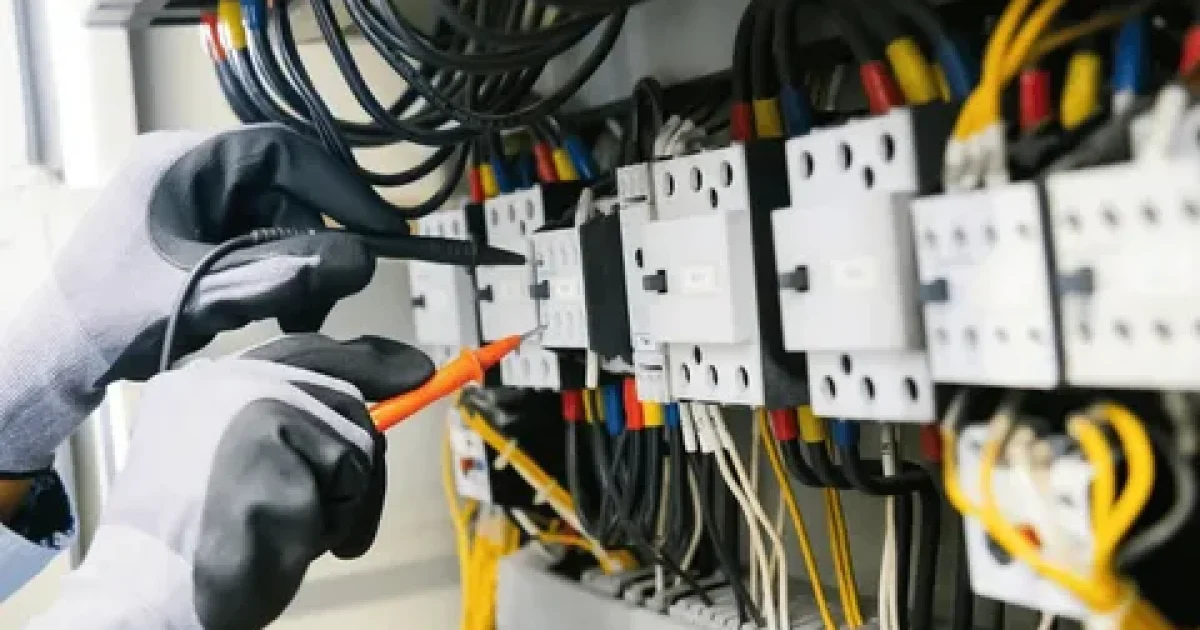
If you are buying a home, renovating an older property, dealing with electrical concerns, or simply want peace of mind, an electrical inspection in Hawke’s Bay can help identify problems that are not always obvious during a normal property check.
Electrical issues can be hidden behind walls, inside switchboards, around outlets, or in older wiring. A professional inspection looks beyond what you can see and helps establish whether the electrical installation appears safe and suitable for its intended use.
For homeowners across Napier, Hastings, Havelock North and the wider Hawke’s Bay region, arranging an inspection before a major property decision can be a sensible step. A local electrical professional can assess the installation, explain any concerns and advise whether further electrical work may be required.
When Should You Arrange an Electrical Inspection for Your Property?
There is no need to wait until something goes wrong before checking the condition of an Electrical Inspection Hawke’s Bay. In many situations, an inspection is most useful before a problem becomes an emergency.
An electrical inspection can be particularly useful when buying a property
A standard property inspection can identify many building-related concerns, but electrical systems require specific knowledge and testing.
If you are considering buying a property in Napier, Hastings or elsewhere in Hawke’s Bay, an electrical inspection can give you additional information about the condition of the wiring, switchboard, outlets and other electrical components.
This can be especially valuable when purchasing an older home or a property that has undergone several renovations over the years.
Older homes deserve closer attention from Electrical Inspection Hawke’s Bay.
Older electrical installations may have been modified several times.
A homeowner may have added lighting, power points, heating, appliances or other electrical equipment without the overall installation being updated at the same time by Electrical Inspection Hawke’s Bay.
That does not automatically mean the property is unsafe, but it does mean the electrical system may deserve closer examination.
Renovations are another good reason to inspect
If you are planning a renovation, an inspection can help identify electrical work that may need to be addressed before the project begins.
This can be particularly useful when walls are going to be opened, rooms are being reconfigured, or additional circuits and power points are planned.
Finding an issue early is generally easier than discovering it halfway through a renovation.
What Does an Electrical Inspection Actually Check?
The exact scope of an inspection depends on the property and the service being provided.
A professional may assess areas such as the switchboard, wiring, sockets, lighting, visible electrical equipment and other parts of the installation that can be safely inspected.
The purpose is not simply to look for something that is obviously broken.
The switchboard can reveal important information
The switchboard is one of the key areas to consider when assessing an electrical installation.
An electrician or electrical inspector may look at its general condition, protection devices, labelling and other relevant features.
If the switchboard is outdated or has signs of damage, overheating or poor modifications, further investigation may be recommended.
Power points and switches should also be assessed
Loose, damaged, discoloured or unusually warm outlets should never be ignored.
During an inspection, visible outlets and switches can be checked for signs that may indicate an electrical problem.
Homeowners should also mention anything they have noticed, such as:
- Flickering lights
- Repeatedly tripping circuits
- Burning smells
- Buzzing or crackling sounds
- Warm power points
- Damaged switches
- Power interruptions in particular areas
- Appliances causing circuits to trip
These details can help the electrician understand what is happening.
Why Pre-Purchase Electrical Inspections Matter in Hawke’s Bay
Buying a property is a major decision. Most buyers look carefully at the roof, foundations, moisture, insulation, plumbing and general condition of the building.
The electrical installation deserves the same level of attention.
A pre-purchase electrical inspection can provide additional information about the condition of the electrical system before you commit to the property.
It can help you understand potential electrical work
An inspection does not necessarily mean that everything will be perfect.
The more useful question is whether you understand what is there and whether any identified issues need attention.
For example, an inspection could identify electrical work that may need repair, replacement, upgrading or further investigation.
That information can then form part of your overall decision-making process.
It can be useful when comparing properties
If you are looking at several homes, electrical condition can become one more factor to consider alongside location, price, building condition and future renovation plans.
This is particularly relevant for older properties where the electrical installation may not have kept pace with modern household demands.
Electrical Inspections in Napier, Hastings and Havelock North
Hawke’s Bay is not limited to one type of property.
The region includes urban homes, older houses, newer developments, rural properties, commercial buildings and lifestyle properties.
That means the electrical requirements and potential issues can vary significantly from one property to another.
Napier homeowners may encounter a wide range of property types
A local electrician familiar with Napier can assess the electrical installation in the context of the property rather than relying on a generic checklist.
For homeowners considering a purchase, renovation or electrical upgrade, this local knowledge can make the inspection process more practical.
Hastings and surrounding areas also have varied electrical requirements
Hastings properties can range from residential homes to commercial and rural premises.
An electrical inspection should therefore be based on the actual installation, its age, use and condition rather than simply the property’s location.
Havelock North and lifestyle properties may need a broader look
Larger properties can have additional electrical equipment such as pumps, sheds, workshops, outdoor installations and other circuits.
Where a property has multiple buildings or specialised equipment, the inspection requirements may be different from those of a standard home.
What Happens After an Electrical Inspection?
One of the most important parts of an inspection is understanding the findings.
A good inspection should leave you with a clearer idea of the condition of the installation and whether anything needs attention.
Not every finding means you need immediate major work
Electrical inspections can identify different levels of concern.
Some issues may require prompt attention, while others may be maintenance recommendations or items worth monitoring.
The appropriate response depends on the nature and severity of the issue.
Ask questions about anything you do not understand
Electrical terminology can be confusing if you are not familiar with it.
If an inspector identifies an issue, ask:
- What exactly is wrong?
- Is it a safety concern?
- Does it need to be repaired immediately?
- What could happen if it is left unattended?
- Does another part of the installation need checking?
- Is an upgrade recommended or required?
- What work would be involved?
Understanding the issue is more useful than simply receiving a list of technical terms.
Signs That Your Home May Need an Electrical Check
You do not necessarily need to wait until you are selling or buying a property.
Certain warning signs should encourage you to contact a qualified electrical professional.
Frequent circuit breaker trips should not be ignored
If a circuit repeatedly trips when you use certain appliances, there may be an underlying issue.
It could be related to the appliance, circuit loading, wiring or another part of the electrical installation.
Repeatedly resetting the breaker without investigating the cause is not a good long-term solution.
Burning smells or heat require immediate attention
A burning smell near a switchboard, outlet or electrical appliance can indicate overheating.
Likewise, a power point or switch that feels unusually hot should be treated seriously.
Turn off the affected equipment where it is safe to do so and seek professional advice.
Flickering lights can have several causes
Occasional flickering may have a simple explanation, but persistent or unusual flickering can indicate an electrical problem.
A qualified electrician can investigate the cause rather than relying on guesswork.
How to Prepare for an Electrical Inspection
A little preparation can make the appointment more useful.
Make a list of electrical problems you have noticed
Before the inspection, write down anything unusual.
For example, you might have noticed that:
- One room loses power occasionally.
- A particular outlet does not work properly.
- The switchboard makes a noise.
- Lights flicker when certain appliances are switched on.
- A breaker trips regularly.
- An outdoor circuit behaves differently from indoor circuits.
Give this information to the electrician.
Provide access to relevant areas
Make sure the inspector can safely access the switchboard and areas that need to be examined.
If there are garages, sheds or other buildings that are part of the electrical installation, mention them beforehand.
Have relevant property information available.
If you have documentation from previous electrical work, renovations or repairs, keep it available.
Previous information can sometimes help explain changes made to the electrical installation.
Choosing the Right Electrical Professional in Hawke’s Bay
Not every electrical job is the same, so it is worth choosing a professional who provides the type of inspection you actually need.
Look for relevant qualifications and experience
Electrical safety is not an area where DIY assumptions are appropriate.
Use a suitably qualified electrical professional for inspection and electrical work.
Choose someone who understands your type of property
A standard suburban home, rural property and commercial building can have very different electrical requirements.
If the property has multiple buildings, pumps, workshops or other specialised equipment, mention this when booking.
Ask what is included in the inspection
Before confirming an appointment, ask what the inspection covers and what documentation or report you will receive afterwards.
This avoids confusion about what has and has not been assessed.
Electrical Inspection Versus a General Building Inspection
These services are not necessarily interchangeable.
A building inspection looks at the broader condition of the property, while an electrical inspection focuses specifically on the electrical installation.
For a property purchase, using the two services together can provide a more complete picture.
Why one inspection should not replace the other
A building inspector may identify visible electrical concerns, but detailed electrical assessment requires appropriate electrical expertise.
Similarly, an electrical inspection is not a replacement for checking the property’s structure, roof, drainage, moisture or other building components.
Think of the inspections as complementary rather than competing services.
What Makes a Good Electrical Inspection Worthwhile?
The value of an inspection is not simply in finding faults.
It is in helping you understand the condition of the electrical installation so that you can make informed decisions.
For a home buyer, that may mean understanding potential work before settlement.
For a homeowner, it may mean identifying an issue before it becomes more serious.
For someone renovating, it may mean discovering electrical requirements before walls are closed and finishes are installed.
For a landlord or business owner, it can form part of a broader approach to electrical maintenance and safety.
Why Local Electrical Experience Matters in Hawke’s Bay
Choosing a professional who works locally can make communication and follow-up easier.
A Hawke’s Bay electrical company may work across areas such as Napier, Taradale, Hastings, Havelock North, Wairoa and surrounding communities, depending on its service area. Just Electrics, for example, states that it services Napier and Taradale, Hastings and Havelock North, Wairoa and Mahia, as well as areas in between.
Local service also matters when an inspection identifies electrical work that needs to be completed afterwards.
Instead of receiving a report and then having to find someone else to investigate every issue, you can ask the inspecting professional about the next appropriate step.
Common Mistakes Homeowners Make Before an Electrical Inspection
A few assumptions can make the process less useful.
Assuming a recently renovated home cannot have electrical problems
Renovation does not automatically mean that every part of the electrical installation has been upgraded.
The condition still needs to be assessed on its own merits.
Waiting until an electrical problem becomes obvious
Some electrical problems do not announce themselves with smoke or sparks.
If you are already noticing unusual behaviour, it is better to investigate rather than wait for the situation to become worse.
Choosing an inspection based only on price
The cheapest inspection is not necessarily the most useful one.
Ask what is included, who is carrying out the inspection and what type of report or documentation you will receive.
Trying to diagnose electrical faults yourself
Electrical systems can be dangerous.
If you are experiencing repeated faults, overheating, burning smells or other unusual symptoms, seek professional advice rather than opening electrical equipment yourself.
Final Thoughts Before Booking an Electrical Inspection
An electrical inspection is about more than finding faults. It gives you a clearer understanding of the electrical installation and helps you make better decisions about a home, renovation, repair or property purchase.
For homeowners across Hawke’s Bay, the right time to arrange an inspection is often before a major decision is made—not after an electrical problem has already become urgent.
If you are buying a property in Napier, Hastings or Havelock North, renovating an older home, or concerned about an electrical issue, speak with a qualified local electrical professional and ask exactly what the inspection will cover.
Frequently Asked Questions
How much does an electrical inspection cost in Hawke’s Bay?
The cost depends on the property, inspection scope, location and complexity of the electrical installation. A straightforward residential inspection will generally be different from an inspection involving multiple buildings or specialised equipment.
The best approach is to ask for a clear quote based on your property and what you need checked.
How long does an electrical inspection take?
There is no single time that applies to every property. A small home with a straightforward installation may take less time than a larger property with multiple circuits, outbuildings or other electrical equipment.
Ask the electrician for an estimated timeframe when booking.
Should I get an electrical inspection before buying a house?
It can be a sensible step, particularly if the property is older, has undergone renovations, or you have concerns about the electrical installation.
A pre-purchase electrical inspection gives you additional information to consider before making a major property decision.
What is included in a pre-purchase electrical inspection?
The exact scope varies between providers. It may include assessment of accessible electrical components such as the switchboard, visible wiring, outlets and other parts of the installation.
Always confirm the inspection scope before booking.
Can an electrical inspection identify old wiring?
An inspection may identify signs of older wiring systems or electrical components that require further assessment. The inspector can explain what was observed and whether additional investigation or replacement should be considered.
Do I need an electrical inspection when renovating?
It can be very useful, especially for older properties or renovations involving changes to walls, rooms, circuits, lighting or power points.
Identifying electrical requirements early can make the renovation easier to plan.
Who should carry out an electrical inspection?
Use an appropriately qualified electrical professional or electrical inspector for the type of inspection you require.
Do not rely on an informal DIY assessment for electrical safety.