
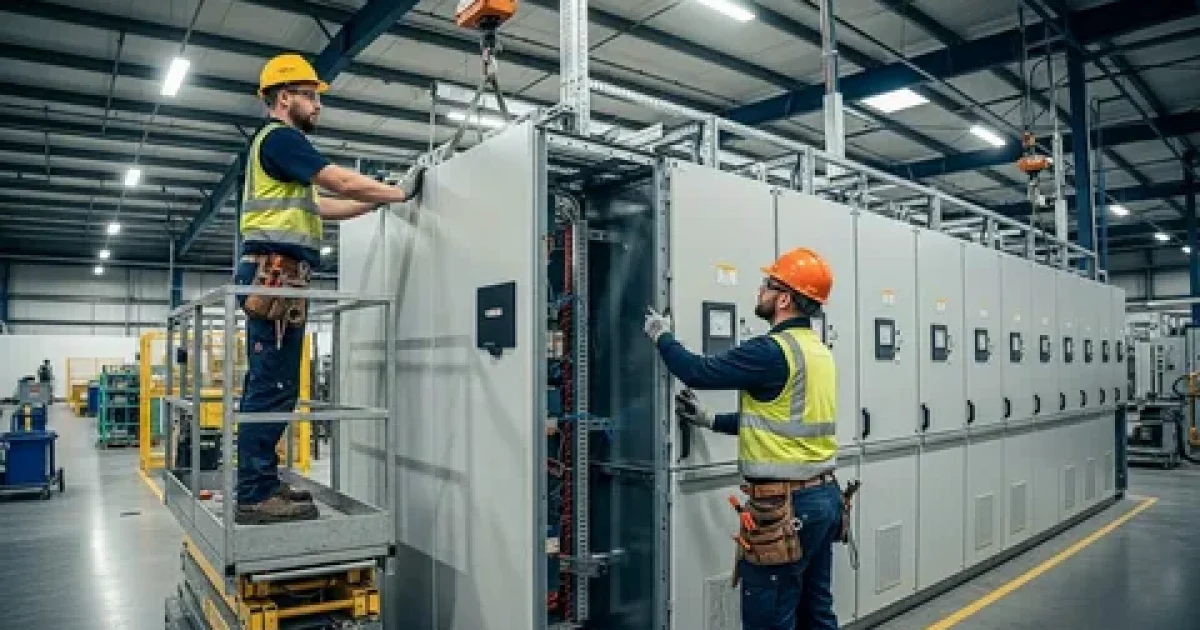
If your business needs safe, dependable electrical work, a commercial electrician in Hawke’s Bay can help with everything from electrical installations and maintenance to fault-finding, repairs, lighting, switchboards, and upgrades.
Commercial electrical work is different from basic residential electrical work. Businesses often rely on their electrical systems every day for lighting, equipment, computers, refrigeration, security systems, heating and other essential operations. A qualified electrician can identify electrical problems, carry out appropriate repairs and help keep your workplace operating safely.
For businesses across Hawke’s Bay, including areas such as Napier, Hastings and surrounding communities, choosing an electrician who understands commercial requirements can make electrical work easier to plan and manage.
What Does a Commercial Electrician Do?
A commercial electrician works on electrical systems used by businesses and commercial properties. Depending on the property and project, this can include installation, repairs, maintenance, testing, upgrades and fault diagnosis.
Commercial electrical services may include:
Commercial electrical installations
Electrical repairs and fault finding
Switchboard inspections and upgrades
Commercial lighting installation
LED lighting upgrades
Emergency lighting
Power points and dedicated circuits
Electrical maintenance
Testing and electrical safety checks
Equipment connections
Electrical work for renovations and fit-outs
New commercial construction electrical work
Data and communications cabling coordination
Electrical upgrades for changing business needs
The exact work required depends on the building, electrical installation, equipment and intended use of the premises.
Why Businesses in Hawke’s Bay Need Reliable Electrical Services
Electrical problems can affect much more than the lights.
A fault could interrupt computers, machinery, refrigeration, security systems, heating or other equipment that your business depends on. Even a relatively small electrical issue can become disruptive if it is not properly diagnosed.
Regular electrical maintenance can also help businesses identify issues before they develop into larger problems.
For example, a business moving into a larger premises may discover that its existing electrical capacity, lighting layout or power distribution no longer suits its needs. Rather than simply adding more outlets, an electrician can assess the installation and determine what changes are appropriate.
Commercial Electrical Services in Hawke’s Bay
Different businesses have different electrical requirements. An office, retail shop, workshop, hospitality business and industrial premises will not necessarily need the same electrical solution.
Commercial Electrical Installation
New installations can involve planning and installing electrical systems for new premises, extensions, renovations and commercial fit-outs.
This may include:
- Lighting
- Power outlets
- Distribution boards
- Dedicated circuits
- Equipment connections
- Exterior lighting
- Emergency lighting
- Electrical controls
- Other electrical infrastructure
Good planning is particularly important during a commercial fit-out because electrical requirements should be considered alongside the building layout, equipment, and future business needs.
Commercial Electrical Repairs and Fault Finding
Electrical faults can present themselves in different ways.
You might notice:
Lights repeatedly going out
Circuit breakers tripping
Power loss in part of the building
Equipment unexpectedly shutting down
Flickering lights
Burning smells or unusual heat around electrical equipment
Damaged switches, outlets or electrical components
Electrical faults should not be ignored, particularly where there are signs of overheating, damage or burning.
A commercial electrician can investigate the problem and determine the appropriate repair rather than relying on guesswork.
Switchboard Upgrades
The switchboard is an important part of a commercial electrical installation because it distributes electrical power throughout the premises.
Older or unsuitable electrical infrastructure may need assessment when:
A business installs new equipment
The premises is renovated
Electrical demand changes
Additional circuits are required
There are recurring electrical problems
The existing installation needs upgrading
A switchboard upgrade should be assessed based on the actual requirements of the property rather than simply replacing equipment without understanding the underlying electrical system.
Commercial Lighting
Lighting affects how employees, customers and visitors use a commercial space.
Commercial electricians can assist with lighting installations and upgrades for areas such as:
Offices
Retail premises
Workshops
Warehouses
Reception areas
Car parks
Exterior areas
Hospitality premises
Businesses may also consider LED lighting upgrades where appropriate for their existing installation and operational requirements.
Emergency Lighting
Emergency lighting is an important consideration for many commercial premises.
The requirements depend on the type of building, its use and applicable New Zealand requirements. If you are unsure whether your existing emergency lighting system is suitable or requires testing or maintenance, speak with a qualified electrical professional.
When Should You Call a Commercial Electrician?
Some electrical problems are obvious, while others can be easy to overlook.
You should consider professional electrical assistance if your business experiences recurring circuit breaker trips, unexplained power interruptions, damaged electrical equipment, unusual smells or heat, flickering lights, or electrical systems that are no longer suitable for your operations.
It is also sensible to involve an electrician early when planning:
- A commercial renovation
- A new office
- A shop fit-out
- Machinery installation
- Lighting upgrades
- A business relocation
- Additional power requirements
- An electrical infrastructure upgrade
Getting electrical requirements considered during the planning stage can help avoid unnecessary changes later.
Commercial Electrician vs Residential Electrician
Although electricians can work across different types of properties, commercial electrical projects can involve different requirements from typical residential work.
Commercial premises may have:
- Larger electrical installations
- More circuits and equipment
- Higher operational demands
- Complex lighting requirements
- Machinery or specialist equipment
- Multiple areas requiring power
- Specific workplace considerations
- Greater consequences if electrical systems fail
The right electrician depends on the work required. When contacting an electrical contractor, explain what type of business you operate, the property involved and what work you need completed.
How to Choose a Commercial Electrician in Hawke’s Bay
Choosing an electrician should be about more than finding the cheapest quote.
Check That They Are Appropriately Qualified and Licensed
Electrical work in New Zealand is regulated. Use an appropriately authorised electrical worker for work that requires one.
You can verify electrical worker registration and practising information through the Electrical Workers Registration Board (EWRB).
Look for Relevant Commercial Experience
Ask whether the electrician has experience with projects similar to yours.
For example, electrical requirements for a small office may be very different from those of a workshop, warehouse or retail premises.
Explain the Problem Clearly
Before requesting a quote, provide as much useful information as possible.
Tell the electrician:
- What type of business you operate
- Where the property is located
- What equipment is involved
- What symptoms you have noticed
- Whether the issue is recurring
- Whether the problem affects the entire premises or one area
Photos can also help when requesting an initial assessment, although they do not replace an on-site inspection where one is required.
Ask What the Quote Includes
A commercial electrical quote should be clear about the work being proposed.
Depending on the project, ask about:
- Labour
- Materials
- Electrical components
- Testing
- Certification or documentation where applicable
- Call-out charges
- Any exclusions
- Additional work that may require approval
Consider Ongoing Maintenance
For businesses that depend heavily on electrical equipment, ongoing maintenance may be more practical than waiting until something fails.
A suitable maintenance approach depends on the property, equipment and business operations.
Common Commercial Electrical Mistakes Businesses Make
Ignoring Recurring Electrical Problems
If a breaker repeatedly trips or equipment keeps losing power, resetting it without investigating the cause does not address the underlying issue.
Adding Equipment Without Assessing Electrical Requirements
Installing additional machinery, appliances or equipment can change the electrical demand on a commercial installation.
The existing system should be assessed before making significant changes.
Choosing an Electrician Based Only on Price
The cheapest quote is not necessarily the most appropriate option. Consider qualifications, experience, scope of work, communication, and the quality of the proposed solution.
Leaving Electrical Work Until the Last Minute
Electrical work can become more complicated when it is added late to a renovation or commercial fit-out.
Discussing electrical requirements early can make coordination easier.
Attempting Electrical Repairs Yourself
Electrical work can be dangerous and is subject to New Zealand’s electrical safety requirements. Businesses should use appropriately authorised professionals for electrical work that requires one.
Electrical Safety for Hawke’s Bay Businesses
Electrical safety should be part of normal workplace management.
Simple practices can include:
Reporting damaged cords and plugs
Keeping electrical equipment away from water where appropriate
Avoiding overloaded outlets
Keeping switchboards and electrical equipment accessible
Addressing unusual electrical smells, heat or noise promptly
Arranging appropriate inspection, testing and maintenance
Using qualified electrical professionals for required electrical work
If there is an immediate electrical safety concern, isolate the area where it is safe to do so and seek professional assistance.
Local Commercial Electrical Services Across Hawke’s Bay
Hawke’s Bay includes a mix of commercial, retail, hospitality, office, agricultural and industrial businesses.
Businesses in Napier, Hastings, Havelock North and surrounding Hawke’s Bay areas can have very different electrical requirements depending on their premises and operations.
For example, an office may primarily need reliable lighting, power and communications infrastructure, while a workshop may have additional requirements for machinery and equipment. A retail or hospitality business may place greater emphasis on lighting, refrigeration, kitchen equipment or customer-facing areas.
This is why commercial electrical work should be assessed around the individual business rather than treated as a one-size-fits-all service.
Questions to Ask Before Starting a Commercial Electrical Project
Before work begins, ask your electrician:
- What electrical work does the project require?
- Is the existing electrical installation suitable?
- Will the switchboard need upgrading?
- Are additional circuits required?
- What testing or documentation will be provided?
- Are there any potential issues that could affect the project cost?
- How will the work affect normal business operations?
- What ongoing maintenance should be considered?
These questions can help you understand the scope of work before the project starts.
Why Work With a Local Commercial Electrician?
Working with a local electrical contractor can make communication and project coordination easier, particularly when the electrician needs to visit the premises.
For Hawke’s Bay businesses, local knowledge can also be useful when coordinating electrical work with other trades involved in renovations, commercial construction or property maintenance.
More importantly, choose an electrician based on their qualifications, experience and ability to complete the specific work your business requires—not simply their location.
Frequently Asked Questions
What is a commercial electrician?
A commercial electrician is an electrical professional who works on electrical installations and systems used in commercial properties. Services can include installation, repairs, fault finding, lighting, switchboards, maintenance and electrical upgrades.
How much does a commercial electrician cost in Hawke’s Bay?
The cost depends on the type of work, labour required, materials, accessibility, complexity and whether additional electrical issues are discovered. The best way to establish the cost is to request a quote based on the specific project.
Do businesses need a licensed electrician in New Zealand?
Electrical work in New Zealand is regulated, and certain work must be carried out or supervised by appropriately authorised electrical workers. Businesses should use appropriately qualified and authorised professionals for electrical work that requires them.
Can a commercial electrician upgrade a switchboard?
Yes. A qualified electrician can assess an existing switchboard and determine whether an upgrade or other electrical work is appropriate for the property’s requirements.
Can a commercial electrician install LED lighting?
Yes. Commercial electricians can install or upgrade lighting systems, including LED lighting, where appropriate for the building and electrical installation.
Get Reliable Commercial Electrical Help in Hawke’s Bay
Your business depends on reliable electrical systems every day. Whether you need electrical repairs, a new commercial fit-out, lighting upgrades, switchboard work, fault finding or ongoing maintenance, choosing the right commercial electrician in Hawke’s Bay is an important part of keeping your workplace safe and functional.
If your business is located in Hawke’s Bay, speak with a qualified local electrical contractor about your specific requirements. A professional assessment can help identify the right solution for your premises instead of relying on assumptions or temporary fixes.