
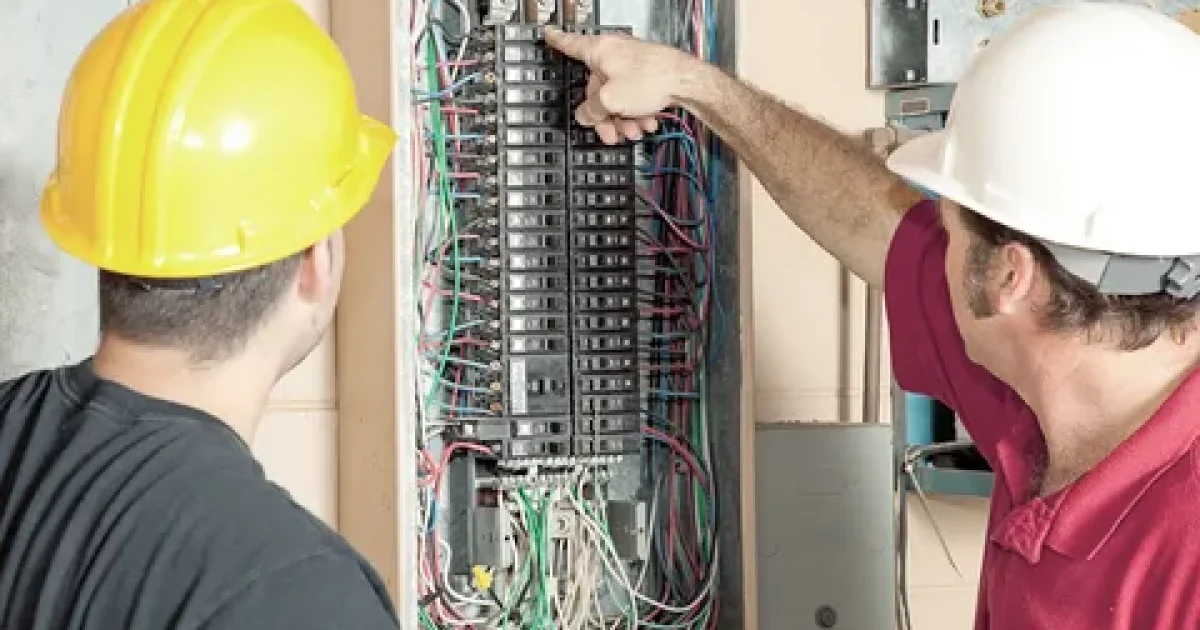
Planning a renovation in Hawke’s Bay? Electrical work should be part of your renovation plan from the beginning, not something added after the walls are closed up.
A proper home electrical renovation Hawke’s Bay should assess your existing wiring, switchboard, power requirements, lighting, safety devices, and future electrical needs before new walls, ceilings and finishes are installed. Depending on the age and condition of the property, this may involve house rewiring, electrical upgrades, additional circuits, switchboard improvements, new lighting, outdoor power, EV charging or solar integration.
For homeowners in Napier, Hastings, Havelock North and surrounding Hawke’s Bay areas, the best approach is to have the electrical system assessed early and have a clear plan agreed with a qualified renovation electrician.
Here is a practical checklist to help you plan.
Home Electrical Renovation Checklist
Before your renovation begins, work through these key areas for home electrical renovation Hawke’s Bay:
Have the existing electrical installation assessed
Check the age and condition of the wiring
Inspect the switchboard and protection devices
Identify whether house rewiring is required
Plan enough power points for each room
Review kitchen electrical requirements
Plan bathroom and outdoor electrical work carefully
Upgrade lighting where appropriate
Allow for heating and high-load appliances
Consider EV charging requirements
Consider solar and future energy needs
Plan data, internet and smart-home cabling
Coordinate electrical work with builders and other trades
Confirm testing and certification requirements
Keep your electrical documentation after completion
The important point is that not every renovation requires a complete rewire. An electrician should assess the existing installation and determine what needs to be repaired, upgraded, retained or replaced.
Start With an Electrical Assessment
Before removing walls or starting demolition, arrange an electrical assessment.
Older electrical installations can have wiring and components that were designed for a much smaller electrical load than modern homes require. WorkSafe specifically notes that older installations can become overloaded as the number of appliances used in a home increases. Warning signs can include hot or scorched outlets, repeatedly blown fuses, unexplained circuit-breaker trips and flickering lights.
An electrical assessment can help identify:
- The condition of existing wiring
- The type and condition of the switchboard
- Existing circuits and their capacity
- Older or damaged outlets and fittings
- Earthing and protection requirements
- Areas that may require additional circuits
- Potential problems hidden behind walls or ceilings
- Whether rewiring or partial rewiring makes sense
This is particularly useful before a major kitchen, bathroom, extension or whole-house renovation.
Why do this before the renovation?
Because access matters.
If walls and ceilings are already open, an electrician may be able to install new cabling with considerably less disruption than if the renovation has already been completed.
It also gives your builder and electrician an opportunity to coordinate the work instead of having trades return later to open finished surfaces.
Does Your Hawke’s Bay Home Need Rewiring?
House rewiring is one of the bigger electrical renovation decisions, and it should not be recommended simply because a property is old.
The condition and type of the existing installation matter more than age alone.
Signs that your home may need electrical attention include:
Frequent blown fuses or tripped breakers
Flickering lights
Hot power points or switches
Burn marks or discolouration around outlets
Damaged cables
Too few power points
Extensive use of multi-plugs and extension leads
Older switchboards
Electrical circuits that struggle with modern appliances
Previous DIY electrical work of uncertain quality
If any of these issues are present, have the installation assessed by a licensed electrical worker Home Electrical Renovation.
WorkSafe recommends using a licensed electrician for electrical installation work and advises homeowners to have wiring checked where there are concerns about safety.
Full rewiring vs partial rewiring
A renovation electrician may recommend:
Full house rewiring
Appropriate when a significant portion of the installation needs replacement or the existing wiring is unsuitable for the planned renovation.
Partial rewiring
Useful when only certain circuits or areas require replacement.
Electrical upgrades without rewiring
Sometimes the existing wiring can remain while the switchboard, circuits, outlets, lighting or other components are upgraded.
The correct solution depends on the actual installation, not a generic checklist.
Check the Switchboard
The switchboard is one of the most important parts of your home’s electrical system.
During a renovation, ask your electrician to assess whether the existing switchboard is suitable for your current and future requirements.
Depending on the installation, an electrical upgrade may involve:
- Replacing an outdated switchboard
- Improving circuit protection
- Adding circuits
- Reviewing RCD protection
- Labelling circuits clearly
- Allowing capacity for future electrical loads
- Reviewing the main supply where required
WorkSafe describes the switchboard as the part of the installation containing the main power switch and protective devices for different circuits.
A renovation is often a good opportunity to address switchboard issues before additional electrical loads are introduced.
Plan Power Points Before the Walls Are Finished
One of the most common renovation regrets is not installing enough outlets.
Think about how each room will actually be used rather than simply replacing outlets in their existing locations.
Consider:
Living areas
Plan for:
- Television and entertainment equipment
- Lamps
- Phone and device charging
- Internet equipment
- Heating
- Future furniture layouts
Bedrooms
Consider:
- Bedside charging
- Lamps
- TVs
- Desks
- Heating or cooling
- Vacuuming and cleaning
Home offices
Allow for:
- Computers
- Monitors
- Printers
- Networking equipment
- Chargers
- Lighting
Kitchens
Kitchen renovations deserve particular attention because several appliances can operate simultaneously.
Your electrician may need to plan dedicated circuits or appropriate electrical supplies for appliances such as:
- Ovens
- Cooktops
- Dishwashers
- Refrigerators
- Rangehoods
- Microwaves
- Waste disposals
- Small appliances
The exact electrical requirements depend on the appliances being installed Home Electrical Renovation.
Tip: Finalise your kitchen appliance list before electrical rough-in. Changing appliance locations after wiring and cabinetry are installed can become unnecessarily disruptive.
Don’t Forget Bathrooms and Wet Areas
Bathrooms require careful electrical planning because electricity and water create additional safety considerations.
When renovating a bathroom, discuss:
- Lighting
- Exhaust fans
- Heated towel rails
- Heating
- Mirrors with electrical components
- Power requirements
- Appropriate electrical protection
- Locations of switches and controls
Your electrician should determine the appropriate installation requirements for the specific bathroom layout and fittings.
Avoid treating bathroom electrical work as a simple matter of adding another outlet. The location of electrical equipment relative to water and wet areas matters.
Upgrade Your Lighting Plan
Renovation is the perfect time to rethink lighting rather than simply replacing old fittings.
A good lighting plan can include several layers:
General lighting
Provides overall illumination.
Task lighting
Useful for kitchens, offices, workshops and work areas.
Accent lighting
Highlights architectural or decorative features.
Outdoor lighting
Improves visibility around entrances, paths and outdoor areas.
Think about how the room will be used at different times of the day.
For example, a kitchen may need bright task lighting over work areas while still benefiting from softer ambient lighting when the kitchen is being used for entertaining. Home Electrical Renovation.
Plan for Heating and High-Power Appliances Home Electrical Renovation
Modern homes can place significantly more demand on electrical systems than older homes.
During your renovation, make a list of equipment you currently use and anything you expect to add.
This could include:
- Heat pumps
- Electric heating
- Hot-water systems
- Induction cooking
- Clothes dryers
- Pool equipment
- Spa equipment
- Workshop equipment
- EV chargers
- Solar systems
- Battery storage
Tell your electrician about these plans before work starts.
A good renovation plan considers not only today’s electrical demand but also what you may add in the next several years.
WorkSafe recommends planning electrical requirements for both present and future needs when building or renovating.
Renovating With Solar? Plan the Electrical System Together
If you already have solar or are considering installing solar after your renovation, tell your electrician early.
Solar can affect how your electrical installation is designed and how future equipment is connected.
You may also want to consider the future:
- Solar generation
- Battery storage
- EV charging
- Electrification of heating
- Hot-water systems
- Increased household electrical loads
Rather than completing a renovation and then discovering that additional electrical work is required for a future energy project, discuss the long-term plan during the renovation design stage.
This is especially relevant for homeowners looking to reduce reliance on traditional energy sources or increase their use of electric appliances.
Think About EV Charging Before Renovation Work Is Complete
Electric vehicles are another reason to think ahead.
Even if you do not currently own an EV, you may want to install a charger in the future.
Ask your electrician whether it makes sense to plan for:
- A dedicated charging circuit
- A suitable charger location
- Cable pathways
- Switchboard capacity
- Future electrical load
The right solution depends on your vehicle, charger and existing electrical installation.
Planning cable routes while walls or ceilings are accessible can be easier than retrofitting them later.
Don’t Forget Outdoor Power Home Electrical Renovation
Hawke’s Bay properties can have significant outdoor areas, particularly on larger residential properties and lifestyle blocks.
Think about whether you will need power for:
- Garages
- Sheds
- Workshops
- Outdoor entertaining
- Garden equipment
- Pumps
- Security systems
- Gates
- Outdoor lighting
- Pools or spas
Outdoor electrical work needs to account for the environment and appropriate protection.
If your renovation involves digging, extensions, decks or work around overhead lines, electrical safety needs to be considered before work begins. WorkSafe advises taking care around overhead and underground electrical services during property work.
Plan Data, Internet and Smart-Home Cabling
Electrical renovation is not only about power.
If walls are open, consider whether you also need infrastructure for:
- Ethernet
- Wi-Fi access points
- Security cameras
- Doorbells
- TVs
- Audio systems
- Smart lighting
- Home automation
- Security systems
Think about where your internet equipment and networking equipment will live.
Good planning can reduce the temptation to run visible cables around a finished property later.
Coordinate Your Electrician With the Builder: Home Electrical Renovation
Electrical work should be coordinated with the wider renovation programme.
A typical renovation may involve:
- Design and planning
- Demolition
- Framing or building work
- Electrical rough-in
- Plumbing and other services
- Insulation and wall closure
- Gib/plastering
- Painting and finishing
- Electrical fit-off
- Testing and certification
The exact sequence depends on the project.
Your renovation electrician should communicate with the builder about cable routes, switch locations, appliance positions, lighting, and other services before walls are closed.
A simple tip that can save headaches
Before the electrician completes rough-in, walk through the property and physically imagine where you will place furniture.
Ask:
“Where will I actually need power?”
This can reveal problems that are difficult to spot on a floor plan.
Understand Electrical Certification Home Electrical Renovation
Electrical compliance documentation is an important part of a renovation.
For fixed wiring work such as installing new power points, WorkSafe states that electricians must issue a Certificate of Compliance (CoC). The CoC records that the work has been completed by a licensed electrician, meets applicable safety requirements, and has been tested.
Some electrical work also requires independent inspection.
WorkSafe notes that certain work involving components such as the main switchboard, main cable and main earth requires inspection.
Keep your electrical documentation after the project.
It may be useful for:
- Future renovations
- Maintenance
- Troubleshooting
- Property records
- Insurance matters
- Selling the property
If you are buying a property, WorkSafe also recommends asking to see relevant Certificates of Compliance for previous electrical work.
Use a Licensed Electrical Worker
Electrical renovation work is not the place to cut corners.
In New Zealand, prescribed electrical work is regulated, and electrical workers carrying out prescribed electrical work must have the appropriate registration and current practising licence.
When selecting an electrician, ask:
- Are you currently licensed?
- What electrical work will you be undertaking?
- Will the work require inspection?
- Will I receive the required certification?
- Can you assess my existing installation?
- Can you coordinate with my builder?
- Can you provide a written scope of work?
- What assumptions are included in the quotation?
You can also check electrical worker licensing through the Electrical Workers Registration Board.
What About DIY Electrical Work Home Electrical Renovation?
New Zealand law allows homeowners to carry out certain limited electrical work on their own homes, subject to specific requirements.
However, WorkSafe strongly recommends that people do not undertake electrical work unless they have the necessary knowledge and skills.
Renovation work becomes particularly risky when it involves:
- Switchboards
- New circuits
- Main cables
- Alterations hidden inside walls
- Electrical work around wet areas
- Complex electrical equipment
- Solar installations
- Work that requires certification or inspection
If you are unsure whether something is homeowner-permitted work, speak with a licensed electrician before starting.
Consider the 2026 Electrical Standards Changes for Home Electrical Renovation
Electrical regulations and standards can change, so renovation planning should be based on the requirements that apply when the work is undertaken.
As of 2026, WorkSafe states that electrical workers can use either the applicable AS/NZS 3000:2007 version with specified amendments or AS/NZS 3000:2018 with specified amendments during the transition period. From 13 November 2026, the 2018 version with the specified amendments becomes mandatory for the applicable new electrical installations.
This does not mean every renovation automatically requires a complete upgrade to every part of an existing installation.
Repair, maintenance, alterations and new installation work can have different requirements. WorkSafe specifically notes that where repair work moves into alterations or additions, those alterations or additions need to comply with the applicable requirements.
For this reason, your electrician should confirm which requirements apply to your particular renovation
Common Electrical Renovation Mistakes: Home Electrical Renovation
Leaving electrical planning until the end
Waiting until the walls are finished can create unnecessary rework.
Better approach: involve your electrician during the design and pre-construction stage.
Installing too few power points in home electrical renovations
Modern households use more electronics than many older homes were designed for.
Better approach: plan outlets around how the room will actually be used.
Forgetting future appliances
A renovation may last decades.
Better approach: tell your electrician about possible future EV charging, solar, heating, workshops, and other high-load equipment.
Assuming an old installation is automatically unsafe: Home Electrical Renovation
Age alone does not determine whether a system needs replacement.
Better approach: have the existing installation assessed and make decisions based on its condition and suitability.
Choosing an electrician based only on the cheapest quote
The cheapest quote may not provide the clearest scope or account for every part of the work.
Better approach: compare the scope, inclusions, exclusions, certification and proposed electrical upgrades.
Closing walls without documenting changes
Once walls are closed, remembering exactly where cables run can be difficult.
Better approach: keep plans, photographs where useful, circuit information and certification with your property records.
Electrical Renovation Checklist for Hawke’s Bay Home Electrical Renovation
Before your renovation starts, ask your electrician to review the following:
| Area | What to check |
|---|---|
| Existing wiring | Condition, age and suitability |
| Switchboard | Capacity, protection and condition |
| Rewiring | Full, partial or unnecessary |
| Power points | Number and location |
| Lighting | General, task, accent and outdoor lighting |
| Kitchen | Appliance loads and dedicated circuits |
| Bathroom | Lighting, heating and wet-area requirements |
| Heating | Heat pumps and other electrical loads |
| Hot water | Existing and future requirements |
| Solar | Existing system or future installation |
| EV charging | Future charger location and capacity |
| Garage/workshop | Power, lighting and equipment |
| Outdoor areas | Lighting, outlets and equipment |
| Data | Ethernet, Wi-Fi and smart-home requirements |
| Safety | Protection devices and testing |
| Certification | CoC, ESC and inspection requirements where applicable |
| Documentation | Keep records for future use |
How Much Does Home Electrical Renovation Cost in Hawke’s Bay?
There is no single reliable price for a home electrical renovation in Hawke’s Bay because the scope can vary dramatically.
A straightforward renovation involving several new outlets and light fittings is very different from a project involving:
- House rewiring
- A switchboard replacement
- New circuits
- A kitchen renovation
- An extension
- A garage or workshop
- Solar
- EV charging
- Significant lighting changes
The best way to budget is to have the electrical scope assessed before the renovation begins.
Ask for the quotation to clearly separate home electrical renovation:
- Labour
- Materials
- New circuits
- Switchboard work
- Lighting
- Power points
- Appliances
- Testing and certification
- Any provisional or unknown work
That makes it much easier to compare quotations and manage your renovation budget.
When Should You Call a Home Electrical Renovation?
Ideally, before the renovation starts.
Contact a renovation electrician early if you are:
- Buying an older Hawke’s Bay property
- Renovating a kitchen
- Renovating a bathroom
- Removing or adding walls
- Building an extension
- Converting a garage
- Renovating a commercial property
- Upgrading a switchboard
- Considering house rewiring
- Installing solar
- Planning EV charging
- Adding heating or high-load appliances
Early involvement allows the electrician to identify electrical requirements before construction makes access more difficult.
Electrical Renovations for Commercial Properties and Facilities Home Electrical Renovation
The same principles apply to commercial properties, although the electrical requirements can be significantly more complex.
For businesses, landlords and facilities managers across Hawke’s Bay, electrical renovation planning may involve:
- Lighting upgrades
- Distribution boards
- Additional circuits
- Commercial equipment
- Emergency systems
- HVAC
- Security systems
- EV charging
- Solar
- Tenant requirements
- Maintenance access
- Compliance documentation
Commercial projects should be planned around the property’s actual use, electrical demand and applicable regulatory requirements.
A facilities manager should also consider future maintenance and access rather than focusing only on the immediate renovation.
Choosing a Home Electrical Renovation in Hawke’s Bay
A successful electrical renovation is about more than installing lights and power points. The electrical system needs to work with the way you live, work and use the property now — while allowing for reasonable future requirements.
Whether you are renovating a family home in Napier, Hastings or Havelock North, upgrading a rural property, fitting out a commercial building or preparing for solar and EV charging, start by getting the electrical scope assessed before construction gets too far underway.
Choose an electrician who can:
- Assess the existing installation
- Explain what actually needs upgrading
- Plan electrical work around your renovation
- Coordinate with builders and other trades
- Identify future electrical requirements
- Complete testing and certification appropriately
- Provide clear documentation when the work is complete
If you’re planning a home electrical renovation in Hawke’s Bay, contact [YOUR COMPANY NAME] to discuss your project and arrange an electrical assessment or renovation quote.
Frequently Asked Questions
Do I need to rewire my whole house during a renovation?
Not necessarily. A licensed electrician should assess the existing installation and determine whether full rewiring, partial rewiring or targeted electrical upgrades are appropriate.
How do I know if my house needs rewiring?
Warning signs can include frequently blown fuses, unexplained circuit-breaker trips, flickering lights, hot outlets, scorch marks, damaged wiring and insufficient circuits for modern electrical loads. These signs should be investigated by a qualified electrician.
Should home electrical renovation work be done before plastering?
Electrical rough-in is generally completed before walls are closed, allowing cables and other components to be installed while access is available. Your builder and electrician should coordinate the exact construction sequence.
Can I do my own electrical work?
New Zealand homeowners can legally carry out certain limited types of electrical work on their own homes, subject to specific requirements. WorkSafe recommends using a licensed electrical worker unless you have the required knowledge and skills.
Do I get a Certificate of Compliance after electrical renovation work?
For applicable fixed wiring work, your electrician must provide the required certification. WorkSafe states that a CoC is required for fixed wiring work such as installing new power points. Some higher-risk work also requires independent inspection.
Should I plan for solar during my renovation?
Yes, if solar is a possibility in the future. Tell your electrician early so they can consider the existing electrical installation, future loads and potential equipment locations.
Should I prepare for an EV charger even if I don’t own an EV, Home Electrical Renovation?
It can be worth discussing with your electrician. Planning capacity and cable routes during a renovation may make a future installation simpler, although the appropriate solution depends on the property and future charging requirements.