
Your home’s residential electrical system does much more than keep the lights on. It powers heating, cooking, hot water, appliances, entertainment, home offices, security systems and increasingly, electric vehicles and smart-home technology.
When something goes wrong, you need more than a quick fix. You need electrical work that is safe, compliant with New Zealand requirements and suitable for the way your household actually uses power.
For homeowners across Hawke’s Bay, professional residential electrical services can cover everything from small repairs and lighting upgrades to switchboard improvements, rewiring, new builds and complete electrical installations.
Whether you live in Napier, Hastings, Havelock North or another part of the Hawke’s Bay region, understanding when to call a qualified electrician can help protect your home, your family and your investment.
What Does Residential Electrical Work Include?
Residential electrical work covers the electrical systems, fittings and installations used in homes.
Depending on the property and the project, this can include:
- Electrical repairs and fault finding
- New power points and switches
- Interior and exterior lighting
- LED lighting installation
- Switchboard upgrades
- House rewiring
- New home electrical wiring
- Renovation electrical work
- Smoke alarm installation and electrical safety work
- Data and TV cabling
- Heat pump and ventilation electrical connections
- EV charger installation
- Outdoor and security lighting
- Smart-home electrical installations
- Electrical inspections and testing
- Emergency electrical repairs
The right solution depends on the age of your property, the condition of the existing installation and how much electrical demand your household places on the system.
Why Professional Residential Electrical Work Matters in Hawke’s Bay
Electrical problems are not always obvious.
A circuit that trips occasionally, a power outlet that feels warm or lights that flicker may seem like minor inconveniences. In some cases, however, these can indicate an underlying electrical fault that needs professional attention.
Older homes can also have wiring, switchboards or residential electrical components that were suitable when the property was built but are no longer ideal for modern household demands.
Today’s homes may have multiple televisions, computers, heat pumps, induction cooking, washing machines, dryers, EV chargers, home offices and other high-demand equipment operating throughout the day.
A residential electrician can assess the existing installation and identify whether repairs, additional circuits, improved protection or an electrical upgrade would be appropriate.
Common Residential Electrical Services
Electrical Repairs and Fault Finding
Electrical faults can happen for many reasons, including damaged components, loose connections, overloaded circuits or ageing wiring.
A professional electrician can investigate the problem rather than simply resetting a breaker and leaving the underlying issue unresolved.
Common reasons homeowners call an electrician include:
- Repeatedly tripping circuit breakers
- Flickering or unusually dim lights
- Power points that are warm, damaged or discoloured
- Burning smells around electrical fittings
- Intermittent power
- Sparks or unusual noises
- A circuit that repeatedly loses power
- Electrical damage following severe weather
If you notice burning, smoke, exposed wiring or signs of overheating, stop using the affected equipment or circuit and seek professional electrical assistance.
Lighting Installation and Upgrades Residential Electrical
Good lighting can completely change how a home looks and functions.
Residential Electrical lighting services may include ceiling lights, pendant lighting, downlights, dimmers, outdoor lighting, security lighting and energy-efficient LED upgrades.
For renovations and new builds, it is worth considering lighting before walls and ceilings are finished. Planning early gives you more flexibility over switch locations, lighting zones and future technology.
Outdoor lighting can also improve visibility around driveways, entrances, pathways and entertaining areas while contributing to home security.
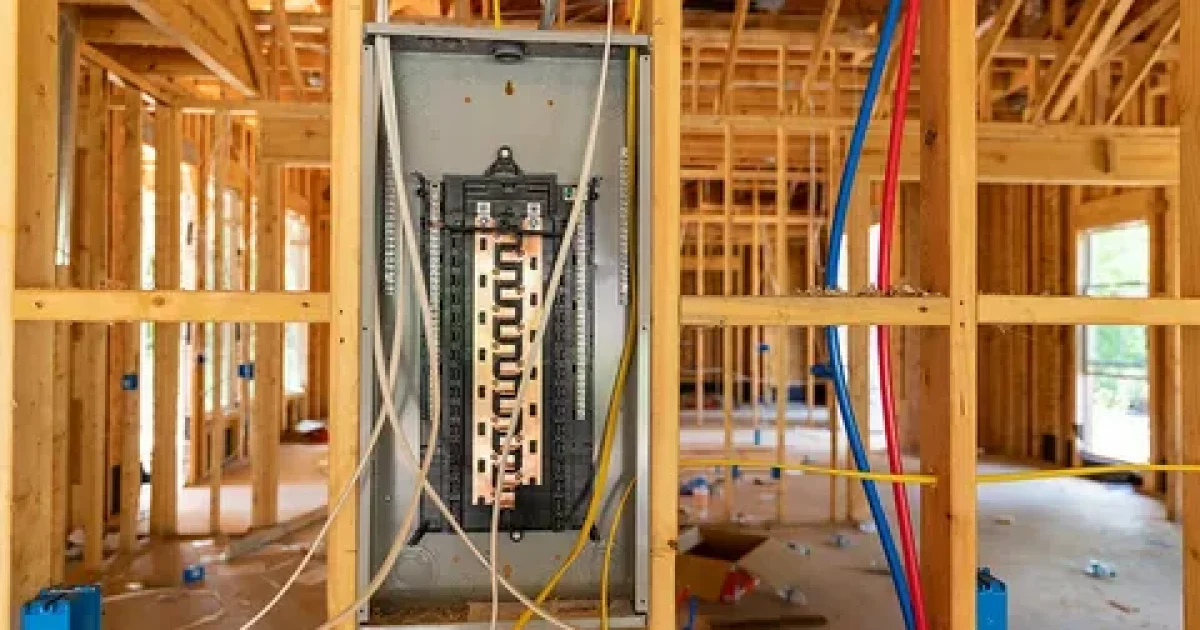
Switchboard Upgrades
The switchboard is a critical part of a home’s electrical system.
It distributes electricity throughout the property and incorporates protective devices designed to help manage electrical faults.
If your switchboard is old, overcrowded, damaged or struggling to support new electrical equipment, an electrician can assess whether an upgrade is appropriate.
A switchboard upgrade may become particularly relevant when renovating, adding high-powered appliances, installing an EV charger or making significant changes to an older home.
House Rewiring
Rewiring is a larger project, but it can be an important consideration for some older properties.
Signs that your home’s wiring deserves professional assessment can include:
- Frequently blown fuses or tripped breakers
- Persistent flickering lights
- Old or deteriorating electrical components
- Damaged cables
- Insufficient power points
- Previous unprofessional electrical alterations
- An electrical system that struggles with modern household demand
Not every older house needs a complete rewire. A qualified electrician can inspect the installation and explain what actually needs attention.
That distinction matters. Good electrical advice should focus on the condition and requirements of your home rather than recommending unnecessary work.
Residential Electrical for New Builds and Renovations
Renovating a home is one of the best opportunities to rethink its electrical layout.
Instead of simply replacing what was already there, consider how your household uses each room.
For example, a modern kitchen may need dedicated electrical planning for appliances, lighting and work areas. A home office may require additional power and data connections. Outdoor entertaining areas may benefit from weather-appropriate lighting and power provisions.
Before starting a renovation, discuss Residential Electrical :
- Power point locations
- Lighting positions
- Appliance requirements
- Switchboard capacity
- Heating and ventilation
- Internet and data cabling
- Security systems
- Outdoor power
- EV charging
- Future smart-home technology
Planning these requirements early can reduce the need for disruptive electrical work later.
Electrical Solutions for Modern Hawke’s Bay Homes
Household electricity use is changing.
Homeowners are increasingly looking beyond basic wiring and lighting to create homes that are more convenient, efficient and prepared for new technology.
EV Charger Installation
If you own or plan to purchase an electric vehicle, home charging is worth considering as part of your electrical planning.
An electrician can assess the home’s existing electrical capacity and determine what is required for an EV charger installation.
The correct setup depends on the charger, vehicle, property and available electrical supply. It should be designed and installed appropriately rather than treated like an ordinary plug-in appliance.
Smart Home Electrical Systems Residential Electrical
Smart lighting, automated controls, sensors, security systems and connected devices are becoming more common in residential properties.
A well-planned smart-home setup can improve convenience while allowing homeowners to control different parts of the property more effectively.
The key is to integrate technology into the home’s electrical design instead of adding devices without considering the wider system.
Energy-Efficient Lighting Residential Electrical
LED lighting is a popular choice for residential properties because it can provide efficient, flexible illumination across indoor and outdoor spaces.
The best lighting plan is not simply about replacing every fitting with an LED. Colour temperature, brightness, positioning, controls and the purpose of each room all affect the final result.
Electrical Safety: When Should You Call an Electrician?
Some electrical issues should never be ignored.
Contact a qualified electrical worker if you experience:
- Repeated circuit breaker trips
- Burning smells
- Smoke from an electrical fitting
- Sparking outlets or switches
- Damaged or exposed wiring
- Water coming into contact with electrical equipment
- Unexplained power loss
- Persistent flickering lights
- Unusual buzzing or crackling
- A damaged switchboard
- Electrical damage after a storm
Do not attempt electrical work simply because the problem appears straightforward. WorkSafe advises homeowners to use a licensed electrical worker when they are unsure about electrical work, and electrical workers carrying out prescribed electrical work for payment must hold an annual practising licence.
What Should Hawke’s Bay Homeowners Know About New Zealand Electrical Compliance?
Electrical work in New Zealand is subject to the Electricity Act, Electricity (Safety) Regulations and relevant electrical codes of practice.
When hiring an electrician for your home, WorkSafe recommends checking that the person is licensed. For fixed-wiring work, the electrician generally needs to provide a Certificate of Compliance (CoC). This document records that the relevant work has been completed, tested and complies with applicable requirements.
A CoC is worth keeping with your property records. It can be important when dealing with future electrical work, property transactions or insurance matters.
Electrical safety requirements and registration rules can change, so homeowners should rely on current guidance from WorkSafe and the Electrical Workers Registration Board rather than old online advice. The EWRB has also introduced changes to electrical-worker registration, including changes taking effect from 1 September 2026.
Residential Electrical Work for Older Homes
Hawke’s Bay has a mixture of older and newer properties, and electrical requirements can vary considerably between homes.
An older house may have fewer power outlets, older wiring, an outdated switchboard or electrical infrastructure that was designed for a much smaller household load.
That does not automatically mean the entire system is unsafe.
Instead, a professional electrical assessment can help determine:
- What is currently installed.
- Whether the existing installation is suitable for today’s use.
- Whether any components need repair or replacement.
- Whether additional circuits or outlets would be beneficial.
- Whether future upgrades should be planned.
This approach helps homeowners make informed decisions rather than automatically replacing everything.
How to Choose a Residential Electrician in Hawke’s Bay
Choosing an electrician should not come down to price alone. Residential Electrician in Hawke’s Bay.
Electrical work affects your home’s safety, so look for a professional who can demonstrate the appropriate registration, practising licence and experience for the work you need.
Before booking, consider asking:
Are you licensed for the work?
WorkSafe recommends asking to see the electrical worker’s practising licence and checking that it is current.
Will I receive the required certification?
For fixed-wiring work, ask what documentation will be provided when the job is completed.
Have you worked on similar homes?
Experience with renovations, older houses, new builds or specific technologies can be valuable depending on your project.
Is the quote clear?
A good quote should explain the proposed work and identify important assumptions, exclusions or additional requirements.
Do you explain the options?
A professional electrician should be able to explain what needs doing, why it needs doing and whether there are practical alternatives.
Residential Electrical Services Across Hawke’s Bay
Local knowledge can be useful when planning electrical work for your home.
Homeowners in Napier, Hastings, Havelock North and surrounding Hawke’s Bay communities may have very different property types and electrical requirements.
Whether you are upgrading an older home, preparing a renovation, building a new property or simply dealing with an unexpected fault, the priority should always be safe, dependable electrical work that meets New Zealand requirements.
Frequently Asked Questions
How often should a home’s electrical system be checked?
There is no single inspection interval that suits every property. The age and condition of the installation, previous electrical work and changes to household demand all matter.
If you own an older property or notice warning signs such as flickering lights, repeated tripping or damaged fittings, an electrical assessment may be worthwhile.
Do I need an electrician for a renovation?
Most significant residential electrical changes should be planned with an appropriately licensed electrical worker. Renovations are also an ideal time to review power points, lighting, switchboard capacity and future electrical requirements.
Can I do my own electrical work in New Zealand?
New Zealand law allows homeowners to carry out certain limited electrical work on their own home, subject to specific conditions. WorkSafe strongly advises that electrical work should not be attempted unless the homeowner has the necessary skills and understands the legal and safety requirements.
Work on a switchboard is not a DIY project for homeowners, and some wiring work must be checked, tested and connected by an appropriately licensed person.
What is a Certificate of Compliance?
A Certificate of Compliance is documentation issued for applicable electrical work confirming that the work has been completed and tested in accordance with relevant New Zealand electrical requirements. WorkSafe recommends keeping these certificates as part of your property records.
Should I upgrade my switchboard when renovating?
It depends on the condition and capacity of the existing switchboard and the electrical requirements of the renovation.
Adding appliances, heating, an EV charger or new circuits may make an assessment particularly worthwhile.
What should I do if an outlet smells like burning?
Stop using the affected outlet and arrange professional electrical assistance. Burning smells, heat, discolouration or sparking can indicate an electrical fault and should not be ignored.