
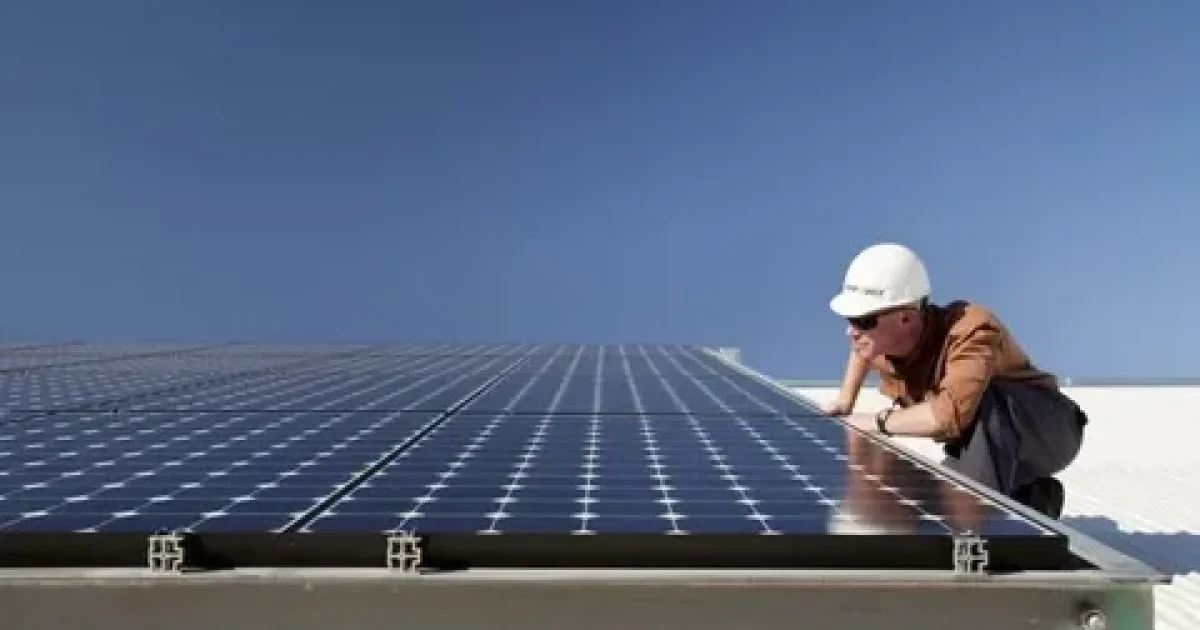
As electricity prices continue to rise across New Zealand, mAs electricity prices continue to rise across Power Connection NZ, more homeowners and businesses are turning to solar energy as a practical and cost-effective solution. Installing a solar power system not only helps reduce monthly electricity bills but also supports a cleaner environment by decreasing reliance on fossil fuels. Whether you’re building a new home or upgrading an existing property, understanding the solar power connection process is the first step toward making an informed investment.
A solar power connection involves more than simply installing panels on your roof. It includes system design, equipment selection, grid connection, electrical compliance, and ongoing maintenance. Choosing the right solar solution ensures your system operates efficiently for years while maximising energy savings.
In this guide, we’ll explore how solar power connections work in New Zealand, the installation process, expected costs, key benefits, and important factors to consider before investing in solar energy.
Understanding Solar Power Connection in New Zealand
A solar solution links your solar panel system to your property’s electrical system. Once connected, the electricity generated by your solar panels powers your home or business. If your system produces more electricity than you consume, the excess energy can often be exported back to the national grid, depending on your electricity retailer’s policies.
Most residential solar systems in New Zealand are grid-connected. This means you continue receiving electricity from the grid when solar production is low, such as during cloudy weather or at night. Many homeowners also choose to install battery storage systems, allowing them to store excess solar energy for later use and reduce dependence on the grid.
The entire connection process must comply with New Zealand electrical safety standards, ensuring your system operates safely and efficiently.
Why More New Zealanders Are Choosing Power Connection NZ
Solar energy has become increasingly popular because it provides long-term financial and environmental benefits. With advances in solar technology, today’s systems are more efficient, durable, and affordable than ever before.
Some of the main reasons homeowners choose solar include:
Lower monthly electricity bills
Reduced carbon emissions
Increased property value
Greater energy independence
Low maintenance requirements
Reliable performance over 25 years or more
New Zealand’s strong sunlight levels make solar panels an excellent investment in many regions, allowing homeowners to generate significant amounts of clean electricity throughout the year.
Types of Solar Solutions Systems Power Connection NZ
Understanding the different types of solar systems helps you choose the best solution for your energy needs.
Grid-Connected Solar Systems
Grid-connected systems are the most common option for homes and businesses. They generate electricity during daylight hours while remaining connected to the national electricity grid. Any additional electricity required is automatically supplied by the grid.
This option generally has the lowest installation cost and provides excellent long-term savings.
Hybrid Solar Solutions
Hybrid systems combine solar panels with battery storage. During the day, excess electricity charges the battery. At night or during power outages, stored energy can be used to power your home.
Hybrid systems provide greater energy independence and can reduce electricity purchases from the grid.
Off-Grid Solar Systems
Off-grid systems operate independently without any connection to the electricity network. They require larger solar arrays and battery storage to ensure a continuous electricity supply.
These systems are ideal for remote properties where connecting to the national grid is difficult or expensive.
How the Solar Installation Process Works
Installing a solar power system involves several important stages. Working with an experienced installer helps ensure every step is completed correctly.
Property Assessment
The installer evaluates your roof size, orientation, shading, electricity usage, and structural condition to determine the most suitable system.
System Design Solar Solutions
Based on your energy requirements, a customised solar solution is designed. This includes selecting the number of panels, inverter size, mounting system, and optional battery storage.
Quotation and Approval
After reviewing the design, you’ll receive a detailed quotation outlining equipment specifications, installation costs, expected energy production, and estimated savings.
Installation Power Connection NZ
Qualified technicians install the solar panels, inverter, wiring, and mounting hardware. Most residential installations can be completed within one to three days, depending on system size.
Grid Connection
Once installation is complete, the system is inspected and connected to your electricity network according to local regulations. Your electricity retailer may also install or update your Solar Solutions meter to record exported solar energy.
System Testing
Before activation, the installer performs comprehensive testing to ensure the system operates safely and efficiently. You’ll also receive guidance on monitoring your system’s performance.
Factors That Affect Solar Installation Costs
The cost of a solar power system depends on several factors, including:
- System size
- Quality of solar panels
- Inverter type
- Battery storage
- Roof complexity
- Installation location
- Electrical upgrades
- Labour costs
Although the initial investment may seem significant, many homeowners recover the installation cost through lower electricity bills over the system’s lifetime.
Solar Installation Costs in New Zealand
The cost of installing a solar power system in New Zealand depends on the size of the system, the quality of the equipment, and the complexity of the installation. While prices vary between providers, investing in a well-designed system can deliver significant long-term savings on electricity bills.
A standard residential solar system typically includes solar panels, an inverter, mounting equipment, electrical components, installation, and grid connection. If you choose to add battery storage, the overall investment will be higher, but it can increase your energy independence by storing excess electricity for use during the evening or power outages.
When comparing quotes, avoid focusing solely on the lowest price. A reputable installer will provide quality products, professional workmanship, warranties, and ongoing support, ensuring your system performs efficiently for many years.
Benefits of Installing Solar Power Connection
Solar Solutions offers both financial and environmental advantages, making it an increasingly attractive option for homeowners and businesses throughout New Zealand Solar Power Connection .
Lower Electricity Bills
One of the biggest benefits of solar power is reducing monthly electricity costs. By generating your own electricity during the day, you rely less on your electricity retailer, resulting in noticeable savings over time.
Clean and Renewable Energy
Solar power is a renewable energy source that produces electricity without emitting greenhouse gases. Choosing solar helps reduce your property’s carbon footprint and contributes to a cleaner environment.
Increased Property Value
Homes equipped with quality solar systems are often more attractive to buyers. Lower energy costs and sustainable features can increase the overall value of your property.
Energy Independence
Generating your own electricity reduces dependence on rising electricity prices. Adding battery storage allows you to store excess energy and use it whenever needed Solar Power Connection .
Low Maintenance
Modern solar solutions require very little maintenance. With occasional cleaning and regular inspections, quality solar panels can continue producing electricity efficiently for more than 25 years.
Long-Term Financial Savings
Although solar installation requires an initial investment, the ongoing savings on electricity bills can provide an excellent return over the life of the system.
How to Choose the Right Solar Installer
Selecting the right installer is just as important as choosing the right solar panels. A professionally installed system delivers better performance, improved safety, and longer equipment life Solar Power Connection .
When evaluating solar companies, consider the following:
- Look for licensed and experienced installers.
- Read customer reviews and testimonials.
- Compare detailed quotes rather than choosing the lowest price.
- Ask about product warranties and workmanship guarantees.
- Choose installers who use trusted, high-quality solar equipment.
- Ensure they provide after-sales service and technical support.
A reputable installer will assess your property’s energy requirements and recommend a system designed specifically for your household or business rather than offering a one-size-fits-all solution Solar Power Connection .
Solar Power Connection Maintenance Tips
Solar Solutions are designed to withstand New Zealand’s changing weather conditions and require minimal maintenance. However, following a few simple practices can help maximise efficiency.
Keep Panels Clean
Dust, leaves, bird droppings, and debris can reduce energy production. Cleaning panels when necessary helps maintain optimal performance.
Monitor Energy Production
Many modern systems include monitoring apps that allow you to track electricity generation in real time. A sudden drop in performance may indicate a maintenance issue.
Schedule Professional Inspections
Having your system inspected every few years ensures wiring, inverters, and mounting components remain in excellent condition.
Trim Nearby Trees Solar Power Connection
Growing trees can create shade that reduces solar output. Keeping branches trimmed allows maximum sunlight to reach your panels.
Check the inverter Solar Solutions.
The inverter is one of the most important parts of a solar system. Monitor it regularly for warning lights or error messages and contact your installer if any issues arise.
Common Mistakes to Avoid
Installing Solar Solutions is a long-term investment, so avoiding common mistakes can save both money and frustration.
- Choosing the cheapest installer without checking experience.
- Installing a system that’s too small for future energy needs.
- Ignoring roof orientation and shading.
- Purchasing low-quality equipment with limited warranties.
- Skipping routine maintenance.
- Not comparing multiple installation quotes.
Taking time to research your options helps ensure your investment delivers reliable performance for decades.
Conclusion
Installing a Solar Solutions system is one of the most effective ways to reduce electricity costs while supporting a more sustainable future. With New Zealand’s favorable climate for solar energy, homeowners and businesses have an excellent opportunity to generate clean electricity and reduce reliance on traditional power sources.
From understanding the Power Connection NZ process and comparing system options to selecting a qualified installer and maintaining your equipment, careful planning ensures you get the best value from your investment. A well-designed solar solution can provide reliable energy, long-term financial savings, and environmental benefits for decades.
Frequently Asked Questions
How long do solar panels last?
Most high-quality solar panels have a lifespan of 25 to 30 years and continue producing electricity beyond their warranty period, although output gradually decreases over time.
Do solar solutions work on cloudy days?
Yes. Solar Solutions generate electricity from daylight rather than direct sunlight. While production is lower during cloudy weather, they continue to produce power.
Is battery storage necessary?
No. A grid-connected solar system works effectively without batteries. However, battery storage allows you to use stored solar energy at night and during power outages.
How long does installation take?
Most residential solar installations are completed within one to three days, depending on the size and complexity of the project.
Will solar panels increase my home’s value?
Many buyers appreciate homes with Solar Power Connection because they offer lower energy costs and sustainable living benefits, which can make the property more attractive in the market.
Can I sell excess electricity back to the grid?
Many electricity retailers in New Zealand offer buy-back plans for surplus solar energy. The available rates and conditions vary between providers Solar Power Connection