
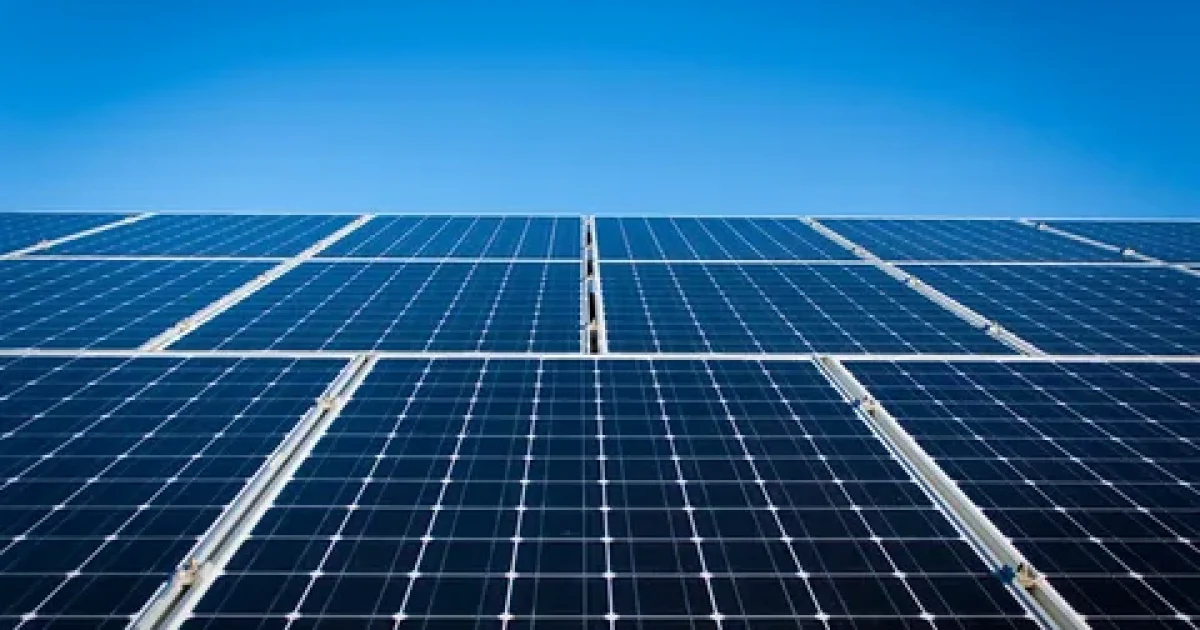
New Zealand homeowners and businesses are looking for smarter ways to manage their electricity costs, improve energy independence and make greater use of renewable energy. As solar technology continues to improve, solar solutions are becoming an increasingly practical option for properties across the country.
But choosing solar is about more than installing panels on a roof. The right system needs to match your property’s electricity consumption, roof space, orientation, shading, budget and future energy requirements.
Whether you are considering solar for your home, business, farm or rural property, understanding how solar systems work can help you make a more informed decision.
What Are Solar Solutions?
Solar solutions are complete energy systems designed to generate, manage and store electricity using solar power.
A solar solution can include several components, depending on the property’s requirements:
- Solar panels
- Solar inverters
- Battery storage
- Energy monitoring
- Mounting equipment
- Grid connection
- Backup power
- EV charging
- Energy management systems
A basic grid-connected system may generate electricity during the day and allow the property to use that electricity directly. Any surplus electricity may be exported to the grid, depending on the property’s connection and electricity retailer arrangements.
For properties with higher evening electricity use, adding a battery can provide another option by storing excess solar energy for later use.
Why Are Solar Solutions Becoming More Popular in New Zealand?
New Zealand has excellent renewable-energy resources, and solar generation is becoming an increasingly visible part of the country’s electricity landscape.
For homeowners and businesses, solar can provide greater control over when and how electricity is generated and consumed.
The potential benefits include:
Generate Your Own Electricity
Solar panels convert sunlight into electricity that can be used by your home or business.
Instead of purchasing all of your electricity from the grid, you can generate a portion of your own power on-site.
Reduce Grid Electricity Use
When solar generation matches your electricity consumption, you can use that energy directly instead of purchasing the same amount of electricity from the grid.
The actual savings will depend on factors such as system size, electricity consumption, solar generation and electricity prices.
Make Better Use of Renewable Energy
Solar allows property owners to generate electricity from sunlight without directly burning fuel at the point of generation.
Increase Energy Independence
Combining solar panels with battery storage can give homeowners and businesses greater control over their electricity supply.
Support Future Energy Needs
A properly designed solar system can also be considered alongside technologies such as electric vehicles, heat pumps and other electricity-intensive equipment.
How Does a Solar Power System Work?
A typical solar power system consists of several connected components.
Solar Panels Generate Electricity
Solar panels capture sunlight and convert it into direct current electricity.
The amount of electricity generated depends on several factors, including:
- Sunlight availability
- Panel orientation
- Roof angle
- Shading
- Panel efficiency
- System size
- Weather conditions
For many New Zealand properties, roof orientation and shading are important considerations when designing a system.
The Inverter Converts the Electricity
Solar panels generate DC electricity, while most household and commercial appliances use AC electricity.
The solar inverter converts the electricity into a form that can be used by the property’s electrical system.
Your Property Uses the Solar Electricity
The electricity generated by the solar system can be used by appliances, lighting, machinery and other electrical equipment operating at the property.
Using solar electricity directly can be particularly useful when electricity consumption occurs during daylight hours.
Excess Electricity Can Be Exported
If the solar system generates more electricity than the property is using, excess electricity may be exported to the electricity grid.
The amount that can be exported depends on the local network requirements and the property’s connection.
Batteries Can Store Excess Solar Power
A battery can store electricity generated during the day and make it available later.
For example, solar production may be high during the afternoon while household electricity consumption increases in the evening.
A battery can help bridge that gap.
Types of Solar Solutions Available in New Zealand
Different properties require different solar system designs.
The right solution for a Christchurch home may be very different from the requirements of a large commercial building or an off-grid rural property.
Residential Solar Solutions
Residential solar solutions are designed around the electricity consumption and physical characteristics of a home.
A typical system may include solar panels, an inverter and optional battery storage.
Before choosing a system, homeowners should consider:
- Current electricity consumption
- Daytime electricity use
- Evening electricity use
- Roof orientation
- Available roof space
- Shading
- Future electricity requirements
- Battery requirements
For example, a household that uses a lot of electricity during the day may be able to use a significant amount of its solar generation directly.
A household with lower daytime consumption may benefit from considering battery storage or other ways of shifting electricity use.
Commercial Solar Solutions
Businesses can also benefit from solar, particularly when electricity consumption occurs during normal daytime operating hours.
Commercial solar solutions can be suitable for:
- Offices
- Workshops
- Warehouses
- Retail properties
- Farms
- Industrial facilities
- Schools
- Other commercial buildings
A commercial solar assessment should consider electricity consumption, operating hours, roof space, electrical infrastructure and future energy requirements.
For a business, the objective should not simply be to install the largest possible solar system. The system should be designed around how the business actually uses electricity.
Off-Grid Solar Solutions
Some rural and remote properties have different energy requirements because they may have limited or no access to the electricity grid.
An off-grid solar solution can combine:
- Solar panels
- Batteries
- Inverters
- Charge controllers
- Backup generators
- Energy monitoring
The system needs to be carefully sized because there may be no grid connection available to provide additional electricity when solar generation is low.
Off-grid systems can be particularly relevant for rural homes, farms, lifestyle properties and remote buildings.
Solar Battery Solutions
Solar panels generate electricity when there is sunlight, but electricity consumption does not always happen at the same time.
This is where battery storage can become useful.
During the day:
Solar generation → Property → Battery
Later in the day:
Battery → Property
A battery can therefore allow some of the electricity generated during daylight hours to be used later.
However, installing a battery is not automatically the right choice for every property.
The decision should consider:
- Electricity consumption
- Solar generation
- Evening usage
- Battery capacity
- Battery efficiency
- Installation cost
- Expected usage
- Backup requirements
A professional solar assessment can help determine whether battery storage makes sense for your particular property.
What Should You Consider Before Installing Solar?
Choosing solar panels is only one part of designing an effective solar system.
Your Electricity Consumption
Start by looking at your electricity bills and understanding how much electricity you use.
More importantly, understand when you use it.
A property that consumes most of its electricity during daylight hours has a different solar profile from one that uses most of its electricity in the evening.
Roof Orientation
The direction your roof faces can affect solar generation.
Roof pitch, available area and shading should also be considered.
Shading
Trees, neighbouring buildings, chimneys and other structures can affect the amount of sunlight reaching your panels.
Even partial shading can influence system performance, depending on the system design.
System Size
Bigger does not automatically mean better.
The solar system should be sized according to your electricity requirements, available roof space and future plans.
Battery Requirements
If you want to use more of your solar electricity after sunset, battery storage may be worth considering.
However, battery capacity should be based on your actual electricity usage rather than simply choosing the largest battery available.
Future Electricity Demand
Think about what your electricity consumption might look like in the future.
For example, you may be planning to install:
- An electric vehicle charger
- A heat pump
- Additional appliances
- Workshop equipment
- New commercial machinery
These future requirements can influence the design of your solar solution.
Are Solar Solutions Suitable for New Zealand Homes?
Solar can be suitable for many New Zealand homes, but every property is different.
Before installation, consider:
Roof space: Is there enough suitable area for the required panels?
Orientation: Does the available roof receive useful sunlight?
Shading: Are trees or buildings reducing sunlight?
Electricity consumption: How much electricity does the property use?
Timing: When is most electricity consumed?
Battery storage: Would storing excess solar electricity be useful?
Grid connection: What are the requirements for connecting the system to the local network?
A professional assessment can bring these factors together and provide a system design based on the property rather than a generic package.
Solar Solutions for Christchurch and Canterbury
Christchurch and the wider Canterbury region offer opportunities for residential, commercial and rural solar installations.
For local properties, a solar assessment should consider the specific characteristics of the site rather than relying on a standard system size.
Factors such as roof orientation, shading, electricity consumption and available installation space can all affect the recommended system.
For rural Canterbury properties, the requirements may be different again, particularly where an off-grid solution is being considered.
This makes local experience and proper system design important when comparing solar installers in Christchurch and Canterbury.
How Much Do Solar Solutions Cost in New Zealand?
There is no single price for a solar system.
The total cost can depend on:
- Number of solar panels
- Panel technology
- Inverter
- Battery capacity
- Roof configuration
- Mounting requirements
- Electrical work
- Installation complexity
- Monitoring equipment
- Grid connection requirements
A small residential system will naturally have different requirements from a large commercial or off-grid installation.
Rather than comparing solar systems based only on the initial price, consider the complete system, equipment quality, installation, warranties, monitoring and expected energy requirements.
How to Choose a Solar Installer in New Zealand
Choosing the right installer is just as important as choosing the right equipment.
Before committing to a solar installation, ask the installer:
Is the system designed around my electricity usage?
A good proposal should explain why the recommended system size is appropriate.
What equipment will be installed?
Understand which panels, inverter, batteries and monitoring equipment are included.
What warranties are provided?
Check both manufacturer warranties and installation workmanship warranties.
Is the installation completed by qualified professionals?
Electrical installation should be completed appropriately and in accordance with applicable requirements.
Will the system be monitored?
Monitoring can help you understand solar generation and electricity consumption after installation.
Does the installer have experience with similar properties?
A residential rooftop system, commercial building and off-grid farm can have very different requirements.
Why Choose Solar Solutions?
Solar Solutions NZ provides solar systems for residential, commercial and off-grid applications in Canterbury and beyond.
The company focuses on designing complete solar systems rather than simply supplying individual components.
Depending on the project, a solar solution can incorporate solar PV, battery storage, energy management and other technologies designed around the property’s electricity requirements.
For homeowners and businesses considering solar in Christchurch, Canterbury or wider New Zealand, the most important step is understanding what the property actually needs before choosing a system.
The Solar Installation Process
A typical solar project can involve several stages.
Initial Consultation
Discuss your electricity requirements, property and objectives.
Site Assessment
Assess the roof, available space, orientation, shading and electrical requirements.
System Design
Develop a solar system based on the property’s electricity consumption and future requirements.
Proposal and Quote
Review the recommended equipment, system size, installation requirements and overall investment.
Installation
Install the solar panels, inverter, batteries and associated electrical equipment.
Commissioning
Test and configure the system to ensure the components operate correctly.
Monitoring
Use the available monitoring system to track solar generation and electricity consumption.
Frequently Asked Questions
What are solar solutions?
Solar solutions are complete solar energy systems that can include solar panels, inverters, batteries, monitoring and other equipment used to generate and manage electricity.
Are solar solutions worth it in New Zealand?
The potential value depends on factors including electricity consumption, solar generation, system cost and how much generated electricity can be used directly.
Can solar panels work in New Zealand?
Yes. Solar power systems are used throughout New Zealand. The amount of electricity generated depends on location, sunlight, roof orientation, shading and system design.
Do I need a battery with solar panels?
No. A battery is optional for many grid-connected solar systems. However, battery storage can be useful for properties that want to use more solar electricity after sunset.
Can solar power work off-grid?
Yes. Off-grid solar systems can combine solar panels, batteries, inverters and backup generation to provide electricity without relying entirely on the grid.
Can I export excess solar electricity?
Grid-connected solar systems can potentially export surplus electricity, subject to the relevant network and retailer requirements.
Are solar solutions suitable for businesses?
Solar can be particularly useful for businesses with significant daytime electricity consumption. The suitability of a system depends on the business’s electricity usage, property and operating requirements.
Get the Right Solar Solution for Your Property
Solar is not a one-size-fits-all investment.
The best system for your property depends on how much electricity you use, when you use it, how much suitable roof space you have and whether you need battery storage or backup power.
Whether you are looking for residential solar solutions, commercial solar solutions or an off-grid solar system, a properly designed system can help you make better use of renewable energy and take greater control of your electricity generation.
If you’re considering solar solutions in Christchurch, Canterbury or elsewhere in New Zealand, start with a professional assessment of your property and electricity requirements.
Ready to see what solar could look like for your property? Get in touch with Solar Solutions for a personalised assessment and quote.