
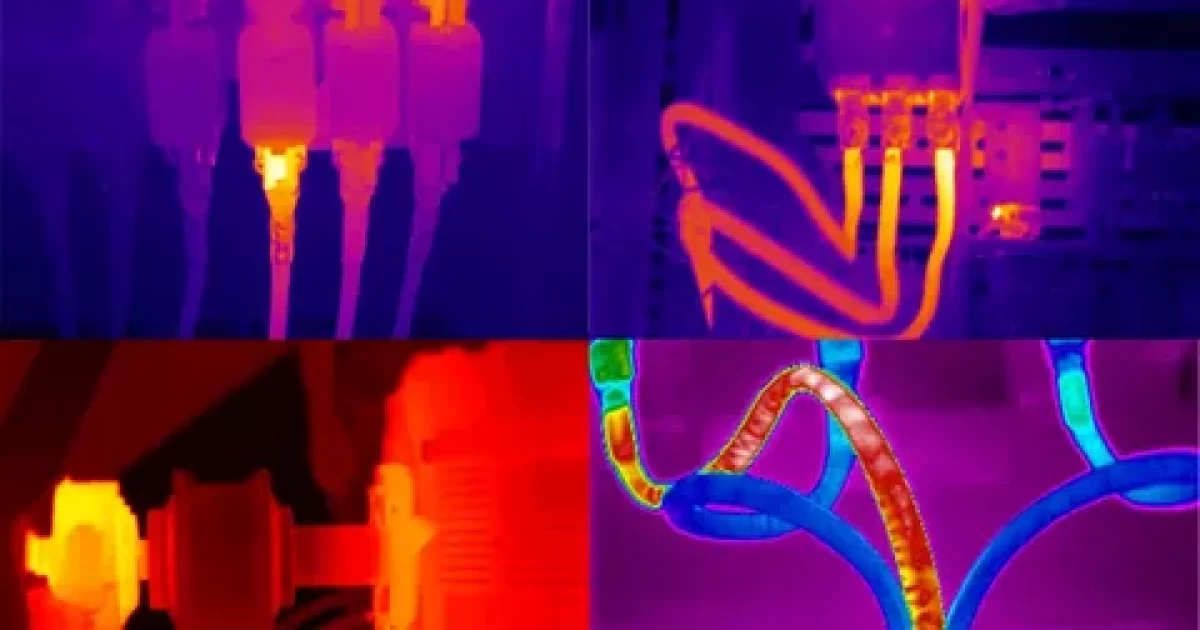
Thermal imaging has quickly become one of the most effective and non-invasive ways to assess the condition of buildings, electrical systems, and insulation. In a region like Hawke’s Bay—where weather conditions, coastal exposure, and aging infrastructure can all impact property performance—this technology offers homeowners and businesses a smarter way to identify hidden problems before they turn into costly repairs.
Whether you’re a homeowner trying to reduce energy bills, a property manager maintaining multiple buildings, or a business owner concerned about electrical safety, thermal imaging provides valuable insights that are otherwise invisible to the naked eye.
What Is Thermal Imaging and How Does It Work?
Thermal imaging, also known as infrared thermography, uses specialized cameras to detect temperature differences on surfaces. Instead of capturing visible light, these cameras measure heat patterns and convert them into visual images called thermograms.
Every object emits heat, and variations in temperature can reveal underlying issues. For example:
- Cold spots may indicate poor insulation or moisture intrusion
- Hot spots in electrical systems can signal overheating components
- Uneven heat distribution can point to structural inefficiencies
This makes thermal imaging an incredibly useful diagnostic tool for both residential and commercial properties.
Why Thermal Imaging Is Essential in Hawke’s Bay
Hawke’s Bay is known for its warm summers, mild winters, and coastal influences. While the climate is generally pleasant, it can still create challenges for buildings over time.
Climate and Environmental Factors
- Coastal air can contribute to corrosion in electrical systems
- Temperature fluctuations can stress building materials
- Older homes may lack modern insulation standards
These conditions make regular inspections important—and thermal imaging provides a fast, accurate way to identify issues early.
Detecting Hidden Heat Loss and Improving Energy Efficiency
One of the most common uses of thermal imaging is identifying heat loss in buildings. Poor insulation, air leaks, and gaps in construction can significantly increase energy consumption.
Common Areas Where Heat Loss Occurs
- Roof cavities and ceiling insulation
- Window and door seals
- Wall insulation gaps
- Floorboards and subfloor spaces
By pinpointing exactly where heat is escaping, homeowners can take targeted action—such as upgrading insulation or sealing leaks—rather than guessing where improvements are needed.
Benefits of Addressing Heat Loss
- Lower energy bills
- Improved indoor comfort
- Reduced environmental impact
- Increased property value
In Hawke’s Bay, where both heating and cooling are used throughout the year, improving thermal efficiency can make a noticeable difference in overall energy usage.
Identifying Electrical Faults Before They Become Dangerous
Electrical issues are one of the leading causes of property damage and fire hazards. Thermal imaging allows inspectors to safely detect overheating components without dismantling systems.
What Thermal Imaging Can Reveal in Electrical Systems
- Overloaded circuits
- Loose connections
- Faulty wiring
- Failing breakers or panels
These problems often generate excess heat before they fail completely. By catching them early, property owners can prevent costly repairs—or worse, serious safety risks.
Why This Matters for Businesses
For commercial properties, energy efficiency inspection in Hawke’s Bay, electrical reliability is critical. Unexpected downtime or system failure can disrupt operations and lead to financial losses. Thermal inspections help ensure systems are functioning efficiently and safely.
Detecting Moisture and Structural Issues
Moisture intrusion is another hidden problem that can cause long-term damage if left untreated. Thermal imaging can identify damp areas behind walls, ceilings, and floors—areas that are difficult to inspect visually.
Signs of Moisture Detected by Thermal Imaging
- Cooler patches indicating water presence
- Irregular temperature patterns
- Hidden leaks in plumbing systems
Risks of Undetected Moisture
- Mold growth and health concerns
- Structural weakening
- Damage to insulation and materials
Early detection allows for timely repairs, helping maintain the integrity of the building and avoiding expensive restoration work.
Applications Across Residential and Commercial Properties
Thermal imaging is not limited to one type of property—it is widely used across different sectors in Hawke’s Bay.
Residential Use
Homeowners benefit from:
- Pre-purchase property inspections
- Energy efficiency assessments
- Identifying insulation issues
- Detecting hidden leaks
Commercial and Industrial Use
Businesses use thermal imaging for:
- Preventative maintenance
- Electrical system monitoring
- Building compliance checks
- Equipment performance evaluation
Agricultural Applications
Given Hawke’s Bay’s strong agricultural presence, thermal imaging can also be used for:
- Monitoring irrigation systems
- Checking equipment performance
- Identifying heat stress in livestock
Advantages of Thermal Imaging Over Traditional Inspection Methods
Traditional inspections and energy savings solutions often rely on visible signs or invasive techniques. Thermal imaging, on the other hand, offers a modern alternative with several advantages.
Non-Invasive and Fast
There is no need to cut into walls or dismantle systems. Inspections can be completed quickly with minimal disruption.
Accurate and Detailed
Thermal cameras provide precise data, allowing inspectors to identify even small temperature differences.
Cost-Effective in the Long Run
By detecting issues early, thermal imaging helps avoid expensive repairs and reduces maintenance costs over time.
Preventative Maintenance
Rather than reacting to problems after they occur, thermal imaging allows for proactive maintenance—saving both time and money.
When Should You Consider a Thermal Imaging Inspection?
There are several situations where a thermal inspection is especially beneficial:
- Before buying or selling a property
- After noticing unusually high energy bills
- When experiencing inconsistent indoor temperatures
- As part of routine building maintenance
- If you suspect electrical or moisture issues
Regular inspections can help ensure your property remains safe, efficient, and well-maintained.
Choosing a Thermal Imaging Service in Hawke’s Bay
When selecting a provider, it’s important to look for professionals who have experience and use high-quality equipment.
What to Look For
- Certified and trained technicians
- Modern infrared camera technology
- Detailed reporting with clear explanations
- Experience with local building conditions
A good service provider will not only identify issues but also explain the findings in a way that is easy to understand, helping you make informed decisions.
The Future of Property Inspections
As technology continues to advance, thermal imaging is becoming an essential part of modern property maintenance. It provides a level of insight that was once difficult to achieve, making it a valuable tool for both homeowners and businesses.
In Hawke’s Bay, where maintaining property value and efficiency is increasingly important, adopting smart inspection methods like thermal imaging can offer a competitive advantage.
Final Thoughts
Thermal imaging is more than just a diagnostic tool—it’s a proactive solution for maintaining safe, efficient, and high-performing properties. From detecting hidden heat loss to identifying electrical faults and moisture issues, it provides a comprehensive view of what’s happening beneath the surface.
FAQ
1. What is thermal imaging used for in homes?
Thermal imaging is used to detect heat loss, insulation gaps, moisture intrusion, and electrical issues in homes. It helps homeowners identify hidden problems without damaging walls or structures.
2. How accurate is thermal imaging for detecting heat loss?
Thermal imaging is highly accurate when performed by trained professionals. It can pinpoint even small temperature differences, making it effective for identifying insulation problems and air leaks.
3. Can thermal imaging find electrical faults?
Yes, thermal imaging can detect overheating components such as loose connections, overloaded circuits, and faulty wiring before they become serious hazards.
4. Is thermal imaging safe for buildings?
Absolutely. Thermal imaging is a non-invasive and completely safe inspection method. It does not require drilling, cutting, or damaging any part of the building.
5. When should I get a thermal imaging inspection?
You should consider a thermal inspection:
- Before buying or selling a property
- If your energy bills are unusually high
- When experiencing uneven indoor temperatures
- As part of routine maintenance