
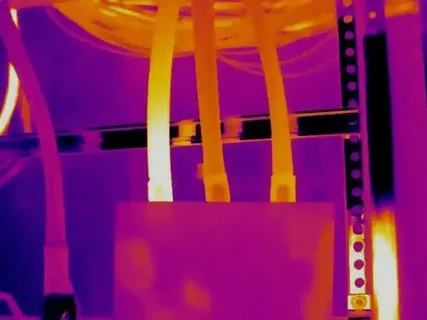
Thermal imaging has quickly become one of the most reliable and non-invasive ways to identify hidden issues in homes, commercial buildings, and industrial systems. In Hawke’s Bay, where weather conditions and building types vary, thermal imaging services offer a smart solution for detecting problems before they become costly repairs.
This guide explores how thermal imaging works, why it matters, and how property owners in Hawke’s Bay can benefit from professional infrared inspections.
What Is Thermal Imaging and How Does It Work?
Thermal imaging, also known as infrared inspection, uses specialised cameras to detect temperature differences on surfaces. Instead of relying on visible light, these cameras capture infrared radiation (heat), allowing professionals to “see” patterns that are invisible to the naked eye.
How Infrared Technology Identifies Problems
Every object emits heat. A thermal camera converts that heat into a visual image, often displayed in different colors:
Warmer areas may appear red, orange, or yellow
Cooler areas may appear blue or purple
These temperature variations can indicate underlying issues such as:
- Heat loss through walls or ceilings
- Moisture buildup behind surfaces
- Electrical overheating
- Insulation gaps
Because the process is non-destructive, there’s no need to cut into walls or dismantle structures.
Why Thermal Imaging Matters in Hawke’s Bay
Hawke’s Bay properties face unique environmental conditions, including coastal humidity, seasonal temperature changes, and varying construction styles. These factors can contribute to hidden issues that are difficult to detect without advanced tools.
Key Benefits for Property Owners
Early Problem Detection
Thermal imaging helps identify issues before they become serious. Catching a small electrical fault or moisture leak early can prevent expensive damage later.
Energy Efficiency Improvements
Heat loss is one of the most common problems in residential and commercial buildings. Infrared inspections can pinpoint exactly where insulation is failing, helping reduce energy bills.
Safer Living and Working Environments
Overheating electrical components can pose fire risks. Thermal imaging-Hawkes-Bay allows professionals to detect these hazards before they escalate.
Common Applications of Thermal Imaging Services
Thermal imaging is widely used across multiple industries in Hawke’s Bay. Whether for residential, commercial, or industrial purposes, its applications are both practical and cost-effective.
Residential Thermal Imaging
Homeowners often use thermal imaging to improve comfort and efficiency.
Detecting Heat Loss
Poor insulation or gaps in construction can lead to significant heat loss. Thermal imaging highlights these weak points clearly.
Identifying Moisture and Leaks
Water intrusion behind walls or ceilings can lead to mould and structural damage. Infrared inspections can detect moisture without invasive testing.
Locating Air Drafts
Drafty windows and doors are common sources of energy loss. Thermal imaging helps identify where sealing improvements are needed.
Commercial Building Inspections
Businesses in Hawke’s Bay rely on thermal imaging to maintain safe and efficient operations.
Electrical System Monitoring
Overloaded circuits or faulty wiring often generate excess heat. Regular inspections help prevent equipment failure and downtime.
HVAC System Analysis
Heating and cooling systems can lose efficiency over time. Thermal imaging reveals airflow issues and temperature inconsistencies.
Building Envelope Testing
Commercial properties benefit from identifying insulation gaps and structural weaknesses that affect energy performance.
Industrial Thermal Imaging
In industrial environments, thermal imaging plays a critical role in preventative maintenance.
Equipment Monitoring
Machinery components can overheat due to wear or malfunction. Early detection helps avoid costly breakdowns.
Predictive Maintenance
Thermal scanning allows businesses to schedule maintenance based on actual conditions rather than guesswork.
Safety Compliance
Regular inspections ensure systems meet safety standards and reduce operational risks.
How Thermal Imaging Helps Detect Hidden Issues
One of the biggest advantages of thermal imaging is its ability to reveal problems that are otherwise invisible.
Electrical Fault Detection
Electrical systems naturally produce heat, but abnormal temperature spikes can indicate trouble. Thermal imaging can detect:
- Loose connections
- Overloaded circuits
- Failing components
These issues can be resolved before they lead to power outages or fire hazards.
Moisture Detection and Leak Identification
Water damage often starts in hidden areas. Thermal imaging identifies temperature differences caused by moisture, helping locate:
- Roof leaks
- Plumbing issues
- Damp walls
This is especially useful in Hawke’s Bay, where humidity and weather exposure can contribute to moisture-related problems.
Insulation and Energy Loss Analysis
Poor insulation is one of the leading causes of high energy bills. Thermal imaging helps identify:
- Missing or damaged insulation
- Thermal bridging
- Air leakage points
With this information, property owners can make targeted improvements rather than guess where the problem lies.
The Thermal Imaging Inspection Process
Understanding what to expect during a thermal imaging inspection can help you get the most value from the service.
Initial Assessment
The inspector evaluates the property and identifies areas of concern, such as electrical panels, walls, roofs, or HVAC systems.
Infrared Scanning
Using a thermal camera, the inspector scans surfaces to detect temperature variations. Images are captured for analysis.
Data Interpretation
Thermal images require expert interpretation. Not all temperature differences indicate a problem, so professional analysis is essential.
Detailed Reporting
You receive a report outlining findings, including images and recommendations for any necessary repairs or improvements.
Choosing Professional Thermal Imaging Services in Hawke’s Bay
Not all thermal imaging services are the same. Choosing the right provider ensures accurate results and reliable insights.
What to Look For
Experience and Certification
A qualified technician understands how to interpret thermal scanning services correctly and avoid false conclusions.
Advanced Equipment
High-resolution infrared cameras provide more accurate and detailed results.
Comprehensive Reporting
Clear, easy-to-understand reports help you take action quickly.
Local Knowledge
Professionals familiar with Hawke’s Bay conditions can better assess common regional issues.
When Should You Consider Thermal Imaging?
Thermal imaging isn’t just for emergencies—it’s a proactive tool for maintaining property health.
Ideal Situations for Inspection
- Before buying or selling a property
- After experiencing unexplained energy bill increases
- When dealing with recurring moisture or mold issues
- During routine maintenance checks
- Following renovations or construction
Regular inspections can save money by preventing major repairs.
Cost vs Value: Is Thermal Imaging Worth It?
While there is an upfront cost for thermal imaging services, the long-term savings often outweigh the expense.
Financial Benefits
- Reduced energy bills through improved insulation
- Avoidance of costly structural repairs
- Prevention of equipment failure
- Lower maintenance costs over time
Investing in thermal imaging is ultimately an investment in efficiency, safety, and peace of mind.
Future of Thermal Imaging in Property Inspections
As technology continues to advance, thermal imaging is becoming more accessible and accurate. In Hawke’s Bay, this means better diagnostics for homes and businesses alike.
Emerging Trends
- Integration with smart building systems
- Improved camera resolution and accuracy
- Wider use in environmental and sustainability assessments
Thermal imaging is no longer a niche service—it’s becoming a standard part of modern property maintenance.
Final Thoughts
Thermal imaging services in Hawke’s Bay provide a powerful, non-invasive way to uncover hidden problems, improve energy efficiency, and ensure safety. Whether you’re a homeowner looking to reduce heat loss or a business aiming to prevent equipment failure, infrared inspections offer clear, actionable insights.
FAQ
What is thermal imaging used for?
Thermal imaging is used to detect temperature differences in surfaces using infrared technology. In Hawke’s Bay, it’s commonly used for identifying heat loss, moisture intrusion, electrical faults, and insulation issues in homes and commercial buildings.
Is thermal imaging safe?
Yes, thermal imaging is completely safe. It is a non-invasive and non-contact method that does not emit radiation. The infrared camera simply detects heat patterns already present in the environment.
Can thermal imaging detect water leaks?
Thermal imaging can help identify moisture and potential leaks by detecting temperature variations caused by damp areas. While it doesn’t “see” water directly, it highlights affected zones that may require further inspection.
How accurate is thermal imaging?
Thermal imaging is highly accurate when performed by trained professionals. However, results depend on correct interpretation, environmental conditions, and the quality of the equipment used.