
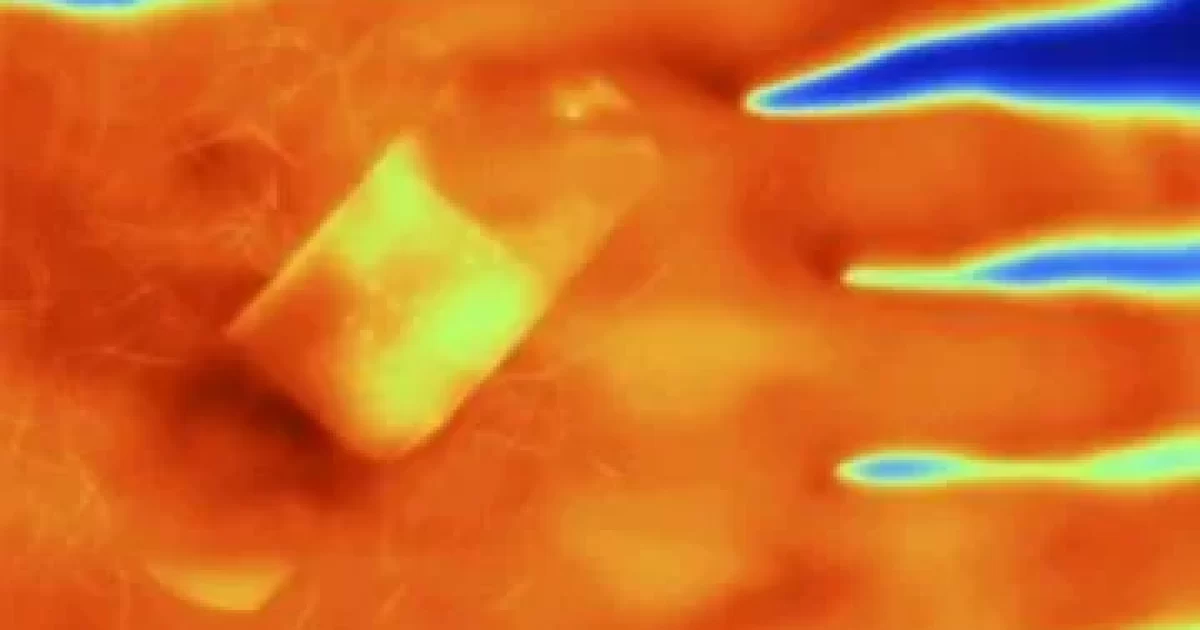
Imagine being able to see heat instead of light—detecting hidden problems, spotting intruders in complete darkness, or even identifying health issues without physical contact. This is exactly what thermal imaging makes possible. Once limited to military and scientific use, thermal imaging technology is now widely used across industries like healthcare, construction, security, and manufacturing.
In 2026, thermal imaging is no longer a niche innovation—it’s a practical, accessible tool reshaping how we monitor, analyze, and solve real-world problems. This guide explains how thermal imaging works, where it’s used, and why it’s becoming essential in modern technology.
What Is Thermal Imaging?
Imaging is a technology that detects heat (infrared radiation) emitted by objects and converts it into a visible image. Unlike traditional cameras that rely on visible light, thermal cameras “see” temperature differences.
Every object above absolute zero emits heat. Thermal imaging devices capture this heat and display it as a colour-coded image, often called a thermogram, where warmer areas appear in brighter colours (like red, orange, or yellow) and cooler areas appear in darker tones (like blue or purple).
This ability allows users to visualise what the human eye cannot see.
How Thermal Imaging Works
At its core, thermal relies on detecting infrared energy. Here’s a simplified breakdown of the process:
1. Infrared Radiation Detection
All objects emit infrared radiation based on their temperature. Thermal cameras detect this invisible energy.
2. Sensor Conversion
The camera’s infrared sensor captures this radiation and converts it into electronic signals.
3. Image Processing
These signals are processed into a visual image, where different temperatures are represented by different colors.
4. Display Output
The final image is shown on a screen, allowing users to interpret heat patterns easily.
Unlike night vision, which amplifies visible light, thermal imaging works even in complete darkness because it depends entirely on heat.
Key Components of a Thermal System
A thermal imaging device is made up of several essential components:
Thermal Camera Lens
Special lenses focus infrared radiation onto the sensor.
Infrared Sensor (Detector)
This is the heart of the system, capturing heat signatures and converting them into data.
Processing Unit
Transforms raw data into a thermal image using algorithms.
Display Screen
Shows the heat map in real time, often with adjustable color palettes.
Advanced systems may also include software for analysis, recording, and reporting.
Real-World Applications
Thermal imaging is used in a wide range of industries, each benefiting from its ability to detect heat variations.
Security and Surveillance
Thermal cameras help detect intruders in low-light or no-light conditions. They are widely used in border security, military operations, and home security systems.
Healthcare and Medical Diagnostics
Doctors use to identify inflammation, circulation issues, and early signs of disease. It’s non-invasive and safe, making it useful for screenings.
Building and Construction
Inspectors use thermal cameras to detect insulation gaps, water leaks, and electrical faults. This helps improve energy efficiency and prevent costly repairs.
Industrial Maintenance
Factories use thermal imaging to monitor machinery. Overheating components can be detected early, preventing breakdowns and downtime.
Wildlife and Environmental Monitoring
Researchers use thermal imaging to track animals at night and monitor ecosystems without disturbing wildlife.
Benefits of Technology
Offers several advantages that make it highly valuable:
Works in Complete Darkness
Because it detects heat, it doesn’t need light to function.
Non-Contact and Non-Invasive
Ideal for medical and industrial use where physical contact is not possible or safe.
Early Problem Detection
Identifies issues before they become visible or critical.
Improves Safety
Helps prevent accidents by detecting overheating equipment or hidden hazards.
Versatile Across Industries
From homes to hospitals, its applications are broad and growing.
Limitations of Thermal Imaging
Despite its advantages,has some limitations:
Cannot See Through Walls
Contrary to popular belief, thermal cameras only detect surface temperatures.
Environmental Factors
Rain, fog, and reflective surfaces can affect accuracy.
Cost
High-quality devices can still be expensive, though prices are gradually decreasing.
Requires Training
Interpreting thermal images correctly requires some expertise.
Why Thermal Imaging Is Transforming Modern Technology
Thermal imaging is not just useful—it’s transformative. Here’s why:
Integration with Artificial Intelligence
AI-powered thermal systems can automatically detect anomalies, making monitoring faster and more accurate.
Smart Devices and IoT
Thermal sensors are being integrated into smart homes and industrial IoT systems for real-time monitoring.
Increased Accessibility
Devices are becoming smaller, cheaper, and even available as smartphone attachments.
Enhanced Automation
Industries are using heat detection technology for automated inspections, reducing human error and increasing efficiency.
These advancements are turning thermal imaging into a standard tool rather than a specialised one.
Future Trends
The future of thermal imaging looks promising, with several exciting developments:
Smartphone Integration
Compact thermal cameras are now available as mobile accessories, making the technology more accessible to everyday users.
Affordable Devices
As production scales up, prices are dropping, opening the market to small businesses and individuals.
AI and Machine Learning
Smarter systems will provide predictive insights, not just detection.
Wider Industry Adoption
From agriculture to automotive, more industries are adopting thermal imaging solutions.
Advanced Medical Use
Could play a bigger role in early disease detection and remote healthcare.
Conclusion
Thermal imaging has evolved from a specialised technology into a powerful, widely used tool that is transforming modern industries. By enabling us to “see” heat, it provides insights that are impossible with traditional methods.
From improving safety and efficiency to enabling early detection of problems, it is becoming essential in a world driven by data and precision. As technology continues to advance, its applications will only expand, making it an integral part of the future of innovation.
Frequently Asked Questions
1. What is thermal imaging in simple terms?
Thermal imaging is a technology that allows you to see heat instead of visible light. It detects temperature differences and converts them into a visual image, helping identify hot and cold areas.
2. How is thermal imaging different from night vision?
Detects heat, while night vision amplifies available light. This means thermal cameras work in complete darkness, whereas night vision still needs some light to function.
3. Can thermal imaging see through walls?
No, thermal imaging cannot see through walls. It only detects heat on the surface of objects. However, it can identify temperature differences that may indicate issues like leaks or insulation gaps.
4. What are the main uses
Thermal imaging is used in:
- Security and surveillance
- Medical diagnostics
- Building inspections
- Industrial maintenance
- Wildlife monitoring
5. Is thermal imaging safe?
Yes, thermal imaging is completely safe. It does not emit radiation; it only detects heat naturally emitted by objects.